other
  • Screw Metering Accuracy: How Auger Fillers Keep Powder Weights Precise
    Screw Metering Accuracy: How Auger Fillers Keep Powder Weights Precise
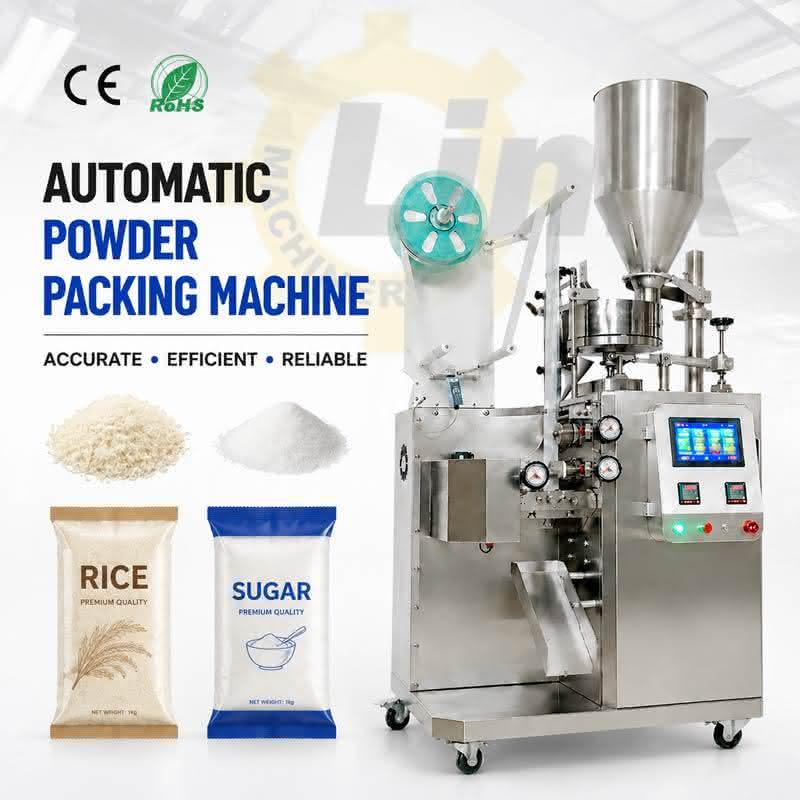
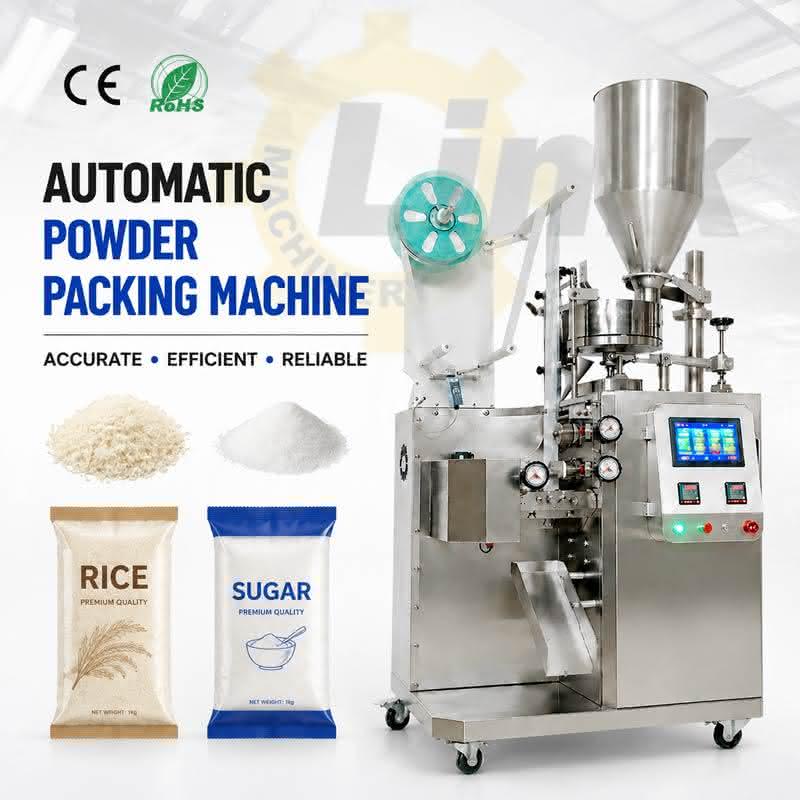
    When a powder packing line runs at 40 bags per minute, every gram counts. Screw metering is the technology that keeps those grams consistent — a rotating auger inside a filling tube doses the powder by screw rotation, not by guesswork. Link Machinery has refined this dosing method over 30 years of manufacturing experience, and it remains the most economical way to fill powders, granules and spice blends into bags. How Screw Metering Works An auger filler uses a motor-driven screw (auger) inside a precisely machined tube. Each full rotation pushes a fixed volume of powder toward the bag opening. The weight of that volume depends on the screw pitch, the rotation speed and the powder’s density. By controlling the number and fraction of rotations, the machine delivers a repeatable dose every cycle. What Affects Filling Accuracy Powder density changes with humidity — a sealed, temperature-stable hopper reduces variation Bridging and caking stop powder flowing evenly — Link adds agitators and anti-bridging paddles Servo drive response — a servo-controlled auger stops within milliseconds for ±1–2% accuracy Tube clearance — worn screws create backflow, so Link machines use hardened stainless augers Why Accuracy Matters on a Packaging Line Underweight bags trigger giveaway and legal risk; overweight bags waste expensive product. On a 50-gram bag running 24/7, a 1-gram error costs thousands of dollars a month. Precision screw metering pays for itself quickly. Every Link automatic powder packing machine is assembled, tested and calibrated in our own factory before shipment. Contact the Link Machinery team to size a screw metering system for your product.
  • Why Custom Logo Packing is the Future of Bubble Tea Business
    Why Custom Logo Packing is the Future of Bubble Tea Business
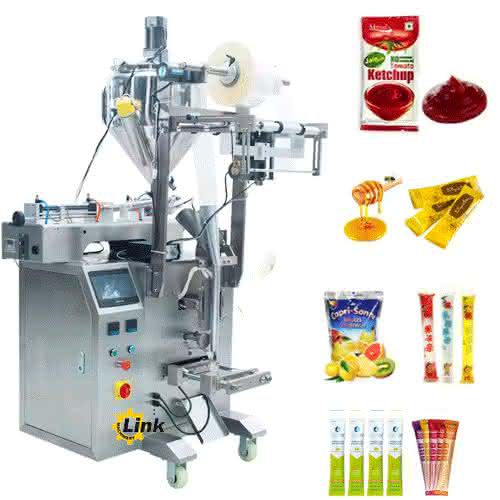
    Bubble tea is one of the fastest-growing beverage categories worldwide, and competition is fierce. Custom logo packing — your brand name printed on every sachet and pouch — is how growing chains and suppliers differentiate themselves. Link Machinery makes private-label packing practical and affordable. A compact packing machine lets growing brands start with a single product line. Why Custom Logo Packing Matters Brand recognition: every serving carries your logo, building awareness with every cup sold Consumer trust: professional packaging signals quality and food safety Retail-ready: custom-packed ingredients are accepted by distributors and retail chains Differentiation: stand out from unbranded suppliers in a crowded market What Bubble Tea Businesses Pack with Link Machines Link automatic sachet and pouch packing machines handle the ingredients bubble tea brands pack in-house or co-pack: milk tea powder, sugar syrup, honey, fruit syrup, jelly cubes, popping boba and seasoning sachets. Each can be packed with your custom logo, weight and ingredient information printed directly on the film. How It Works 1. Design. Your artwork is prepared as print-ready film. Link supports your film supplier with machine specifications for correct registration. 2. Print. Custom-printed film is loaded onto the machine; photo-electric registration aligns every bag to the design. 3. Pack. The machine forms, fills, seals and cuts pouches or sachets with your logo on every single unit, at speeds up to 60–120 bags per minute. 4. Scale. Start with one product and expand to a full range with stored recipes and quick changeovers. Getting Started Link Machinery supports bubble tea suppliers with machine selection, film guidance, sample runs and after-sales service. Many of our customers started with a single sachet machine and grew into complete packing departments. Contact Link Machinery to discuss your custom logo packing project.
  • Precision Sealing: Resolving Leakage Issues in Liquid Packaging
    Precision Sealing: Resolving Leakage Issues in Liquid Packaging
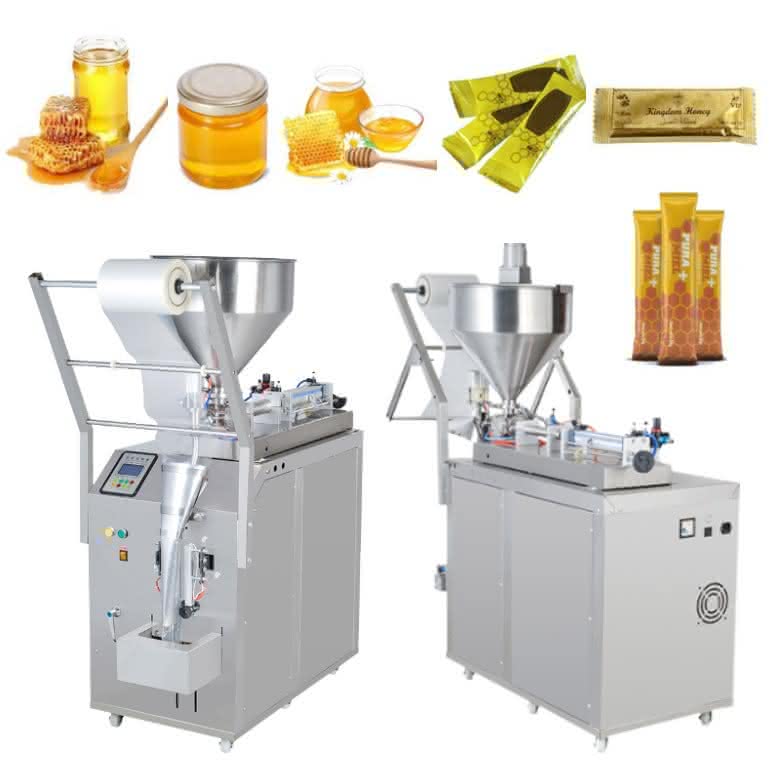
    Leakage is the most common complaint on liquid packaging lines — and almost always preventable. At Link Machinery, precision sealing starts with understanding the three variables that control every seal: temperature, pressure and dwell time. On any liquid packing machine, sealing consistency determines product quality. Why Liquid Pouches Leak Liquid products put stress on seals from the inside: product splashes the seal area during filling, and internal pressure builds during handling. Common causes of leakage include contaminated seal zones, low sealing temperature, misaligned jaws, and film with poor sealant layers. Link's Precision Sealing System Accurate temperature control: servo-stabilized heating keeps jaw temperature within a narrow band, avoiding weak or burnt seals Balanced jaw pressure: pneumatic pressure set per film grade, applied evenly across the full seal width Dwell time control: sealing time synchronized with line speed for consistent seal strength Anti-drip dosing: clean nozzle cut-off keeps the seal zone free of liquid residue Sanitary jaw design: easy-cleaning jaws with non-stick coating reduce contamination build-up Practical Fixes for Leaking Seals 1. Raise temperature step by step. Increase by 5–10°C and run a leak test; stop at the lowest setting that seals reliably. 2. Check jaw alignment daily. Misaligned jaws cause weak or partial seals — inspect and adjust before every shift. 3. Verify film quality. The sealant layer must match your product and machine settings; test new film lots before production. 4. Keep the seal zone dry. Install anti-drip nozzles and check the dosing cut-off regularly. Proven Results On honey, sauce and juice pouch lines, Link machines hold seal integrity through pressure tests and long-distance shipping, with leakage rates reduced to near zero when the above parameters are applied. Contact the Link Machinery team for a sealing parameter sheet matched to your film and product.
  • How to Prevent Film Jamming in Automatic Sachet Machines
    How to Prevent Film Jamming in Automatic Sachet Machines
    Film jamming is one of the most common causes of downtime on automatic sachet machines. Most jams share the same root causes, and most can be prevented with simple checks. Here is the practical troubleshooting guide from Link Machinery’s service team. These checks apply to any automatic packing machine running flexible film. 1. Control Film Tension Too much tension stretches the film and causes registration drift; too little creates wrinkles and misalignment at the forming tube. Set the film dancer and brake according to the manual, and re-check when changing to a new film roll or material. 2. Check Roll Alignment and Splices A misaligned film roll walks sideways and jams at the forming collar. Mount the roll squarely, and never use a splice with bulky tape — splices must be thin, straight and positioned cleanly as they pass the forming tube. 3. Set Sealing Temperature Correctly Overheating melts film onto the sealing jaws; underheating leaves sticky, half-sealed film that wraps around the jaw. Confirm the correct temperature for your film grade and re-verify after material changes. 4. Keep the Forming Tube Clean Dust, static and product residue on the forming tube increase friction and cause sticking. Wipe the tube regularly and use a static eliminator in dry climates. 5. Routine Maintenance Lubricate the sealing jaw guides, inspect the cutter blades and check the film-path rollers for wear. A 15-minute daily inspection prevents most jams before they stop the line. If a Jam Occurs Stop the machine, isolate power, open the guards and carefully remove the jammed film — never pull film while the jaws are hot. Inspect the cause, correct it, and restart with a short test run. Follow these steps and your Link automatic sachet machine will run long, jam-free shifts.
  • Choosing the Right Film Material for Biodegradable Sachet Packing
    Choosing the Right Film Material for Biodegradable Sachet Packing
    Sustainability targets are pushing more brands toward biodegradable and compostable sachet packaging. But biodegradable films behave differently on the machine: they have different melting ranges, stiffness and sealing windows. This guide helps you choose the right material for reliable runs on Link automatic sachet machines. Whether you run a new packing machine or an existing line, film choice drives both cost and seal quality. Key Material Families PLA (polylactic acid): compostable under industrial conditions; good clarity but a narrow sealing window PBAT blends: flexible and tough, often blended with PLA or starch for better processability Starch-based films: cost-effective renewable content, sensitive to humidity Paper-laminated compostable films: premium look with a compostable barrier layer What to Check Before Buying Film 1. Sealing temperature range. Biodegradable films typically seal at lower temperatures and shorter dwell times. Confirm the material’s sealing window fits your machine’s heating system. 2. Moisture sensitivity. Many bio-films absorb humidity, which changes their stiffness and print registration. Store film in dry conditions and check the production room climate. 3. Print and registration. Softer bio-films can stretch under tension; use servo-driven film pull with accurate tension control — standard on Link machines — to keep registration stable. 4. Certification. Verify the film’s compostability certification (industrial or home) and confirm the certificate matches your market claims. Machine Considerations Link automatic sachet machines handle a wide range of bio-films with adjustable sealing temperature, pressure and dwell time stored as recipes. A quick trial run on your material is the fastest way to lock in the right settings — Link supports material tests at the factory before your line goes into production. Contact Link Machinery to test your biodegradable film on our sachet machines.
  • Smart Integration: Connecting Packaging Machines to ERP Systems
    Smart Integration: Connecting Packaging Machines to ERP Systems
    Modern packaging lines generate valuable data: bag counts, run speeds, downtime events and material usage. Connecting Link Machinery packaging machines to your ERP or MES system turns that data into decisions — live output tracking, accurate costing and full traceability. What Connectivity Delivers Real-time production data: bag count, speed, rejects and runtime stream to the ERP dashboard OEE tracking: availability, performance and quality calculated automatically Traceability: batch and date-code data linked to production records Predictive maintenance: alarm and wear data supports scheduled maintenance Material tracking: film and packaging material consumption monitored per order How Link Machines Connect Link packaging machines are built around PLC controllers with industrial communication interfaces. Standard integration options include OPC UA and Modbus TCP gateways, enabling secure connection to ERP and MES platforms without custom programming. For turnkey projects, Link engineers configure the data mapping and dashboards on site. Integration Scenarios 1. Order-driven production. The ERP downloads the order plan to the machine; recipes are selected automatically when a new batch starts. 2. Live reporting. Operators and managers see real-time output on the shop floor display and in the office dashboard. 3. Quality records. Every batch stores fill weights, seal temperatures and reject counts for audit and recall readiness. Getting Started Start with a simple data export from the machine PLC, then add two-way control as your team gains confidence. Link Machinery supports every stage, from a single data-collection pilot to a fully integrated smart packaging line. Ask the Link Machinery team how to connect your packaging line to your ERP system.
  • The Role of Multi-Head Weighers in Reducing Material Waste
    The Role of Multi-Head Weighers in Reducing Material Waste
    In packaging, material waste appears in two forms: giveaway (over-filling) and underweight rejects. For expensive products such as nuts, dried fruit, coffee and snack mixes, even 2–3 g of average giveaway per bag adds up to tonnes of lost product every year. Multi-head weighers solve this problem by combining the weighing power of many scales in one cycle. How Combination Weighing Works A multi-head weigher distributes the product across 10–16 individual weigh hoppers. At each cycle, the control system tests all possible combinations of hoppers and selects the combination whose total weight is closest to the target without going under. Because it chooses from many combinations in milliseconds, the weigher reaches the target weight with far less giveaway than a single-scale system. The Waste-Reduction Impact Lower giveaway: average bag weight approaches the nominal target, cutting product giveaway to a fraction of conventional systems Fewer rejects: combination selection prevents underweight bags, reducing rework and repacking Speed with accuracy: up to 60–120 weighments per minute without sacrificing precision Consistent quality: every bag meets the declared weight, protecting customer trust Link Integration Link Machinery integrates multi-head weighers directly with its VFFS and bagging machines. The weigher and packaging machine controllers synchronize in real time: the discharge opens only when the bag is formed and ready, eliminating spillage between stations. Products ranging from potato chips to beans, pasta and frozen vegetables run with accurate, waste-free results. Real-World Results On snack lines, Link multi-head weigher systems routinely hold average giveaway below 1 g per bag while running at full production speed — turning product savings directly into profit. Contact Link Machinery to calculate the waste reduction a multi-head weigher can deliver for your product.

  • Maintenance Guide: Extending the Life of Your Powder Packing Motor
    Maintenance Guide: Extending the Life of Your Powder Packing Motor
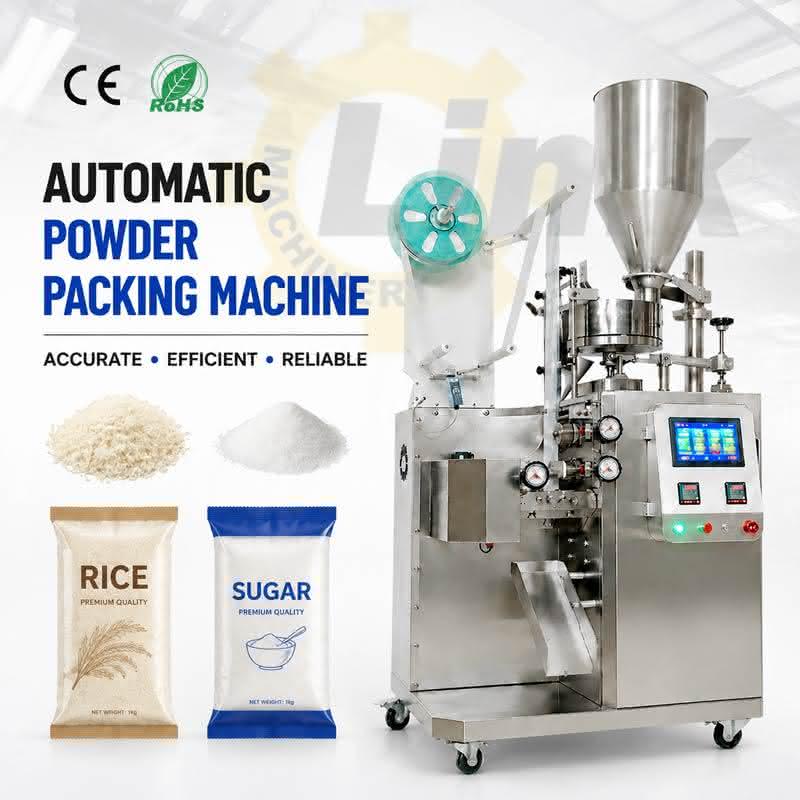
    The drive motor is the heart of any powder packing machine. With simple, regular care, a quality motor will run for years; neglected, it fails early and halts your whole line. This guide from Link Machinery covers the maintenance habits that keep powder packing motors running reliably. Daily Checks (Before Each Shift) Listen for abnormal noise or vibration during the first minutes of running Check that cooling fans and ventilation grilles are free of powder build-up Confirm all guards and covers are in place before starting Weekly Cleaning Powder dust is the motor's worst enemy — it blocks cooling and can be drawn into bearings. Weekly, stop the machine, disconnect power, and blow out the motor housing and fan cover with low-pressure dry air. Keep the motor compartment clean and dry at all times. Monthly Inspection Check motor mounting bolts for tightness; vibration loosens them over time Inspect cables and connectors for wear, chafing or overheating marks Verify that the drive belt or coupling shows no excessive wear or slip Check bearing temperature by hand after a warm-up run (should be warm, not hot) Quarterly Service Lubricate bearings per the machine manual, using the specified grease grade Measure running current and compare with nameplate values Inspect the electrical cabinet for dust, loose terminals and correct settings Proven Advice Never run the machine with the fan cover blocked, and always switch off and lock out power before cleaning or maintenance. Keeping spare fuses, belts and a set of bearings in stock minimizes downtime when parts finally do need replacing. Follow these steps and your Link powder packing machine will deliver years of dependable service.
1 ... 13 14 15 16

A total of 16 pages

Leave A Message
Leave A Message
If you are interested in our products and want to know more details,please leave a message here,we will reply you as soon as we can.

Home

Products

whatsapp