other
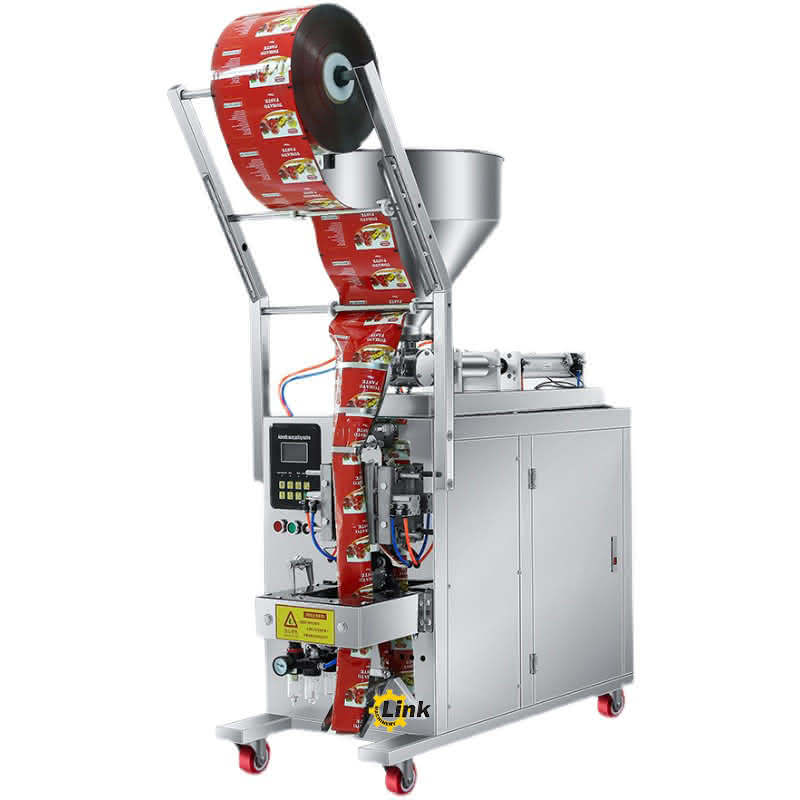
  • How does a paste filling machine work?
    How does a paste filling machine work?
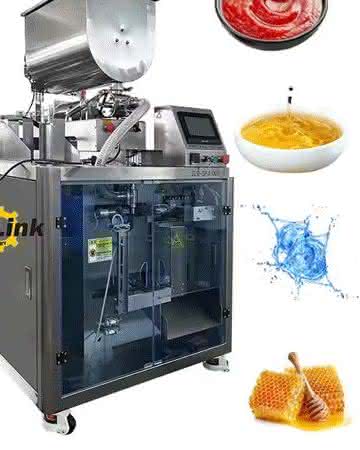
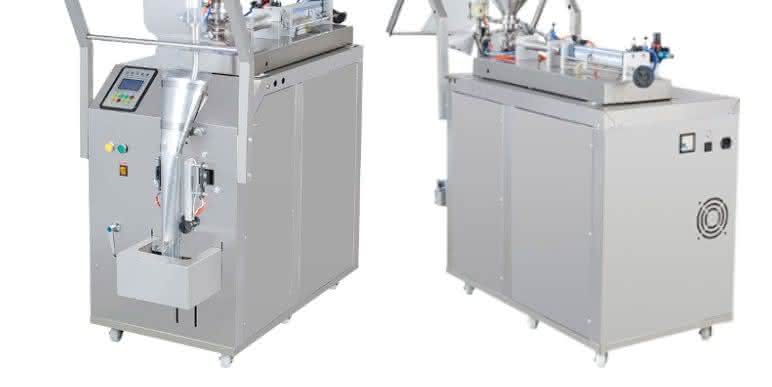
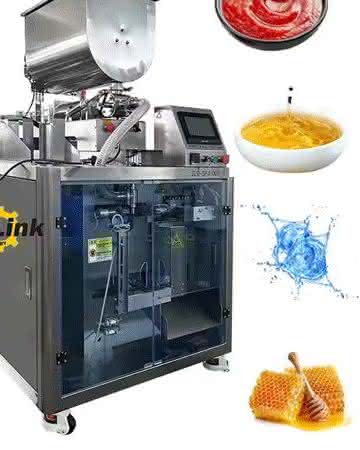
    Have you noticed the packaging of salad dressing, ketchup, and chocolate sauce that we usually use? When you buy the paste-like foods you need in the supermarket, do you want to know their production process? Paste filling machines have changed the cumbersome and inefficient traditional manual filling. Whether in large factories or small processing sites, you will find them. They can not only improve work efficiency but also save costs. Today I will lead you into the world of mechanical equipment and introduce to you how paste filling machines work. Next, I will give you a comprehensive introduction to the working steps of the paste filling machine, so that you can further understand its working principle and advanced technology. How does the paste filling machine work? Feeding You can put the materials to be packaged into the hopper of the paste machine, such as viscous objects such as ketchup, chocolate sauce, honey, etc. The hopper will be set according to the viscosity and fluidity of the material, such as a screw feeder or a pressure feeding device. Mixing When the material is fed into the hopper, the hopper of the machine will be equipped with a powerful agitator for stirring. You can set different speeds and modes of rotation. The agitator will fully stir the paste and mix it to achieve the best mixing effect. Heating or cold treatment If the material is easy to solidify or needs to be kept smooth at a certain temperature, such as chocolate sauce, which is easy to solidify in winter, we need the heating element of the insulation hopper to heat it and control the temperature of the paste to smoothly feed it. Filling After stirring and keeping the paste warm, the paste begins to enter the filling. The plc system will discharge the material according to the gram weight you set, pass through the discharge pipe through the former, pull the film into the roll film, and package the set gram weight. Sealing After the above steps, the paste comes to the sealing. The machine heats the aluminum block to the temperature you set through heating elements such as resistance wire and heating tube. The machine recognizes the paste and pulls the film. The sealing aluminum block will be cut. The high temperature will melt the roll film. After cooling, it can be tightly sealed. It is cut into bags and then transported. After understanding the working principle of the paste filling machine, I would like to introduce its advantages to you. Efficient work saves time cost The paste filling machine can improve the work efficiency of the machine for you. The machine works very fast and can pack hundreds of packages in one hour. You can choose different models of machines, which occupy a small area and work in multiple positions, improve production efficiency, and race against time to save time cost for you. Accurate weighing reduces waste The precise control system of the paste filling machine checks our gram weight. Accurate weighing avoids the error of manual wei...
  • What is a powder packaging machine
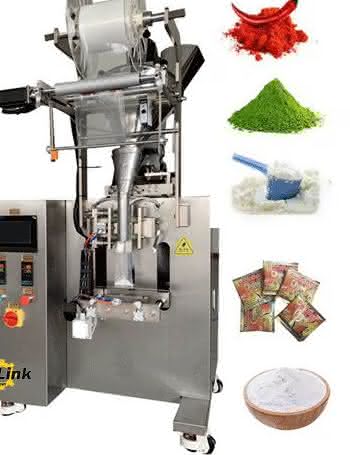
    What is a powder packaging machine
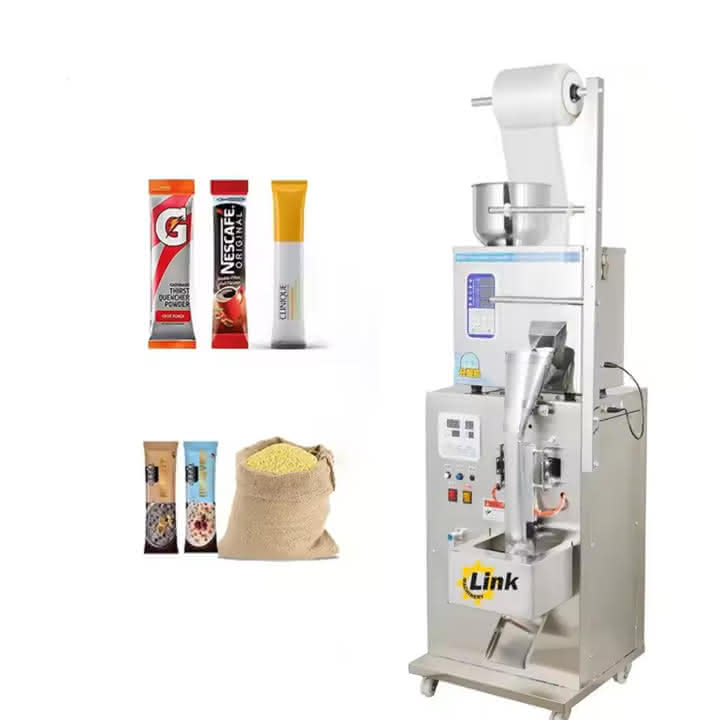
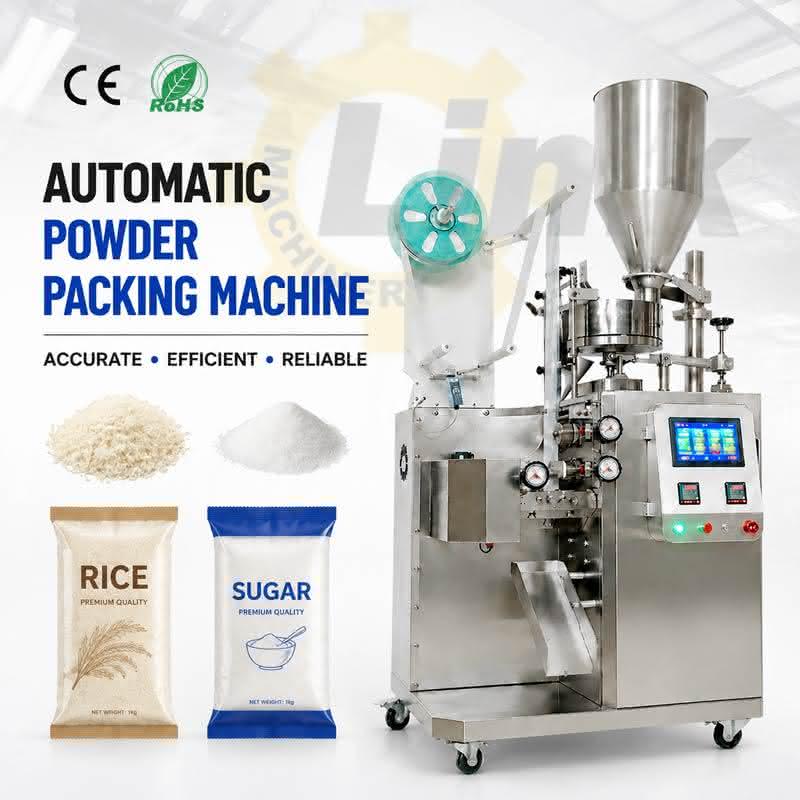
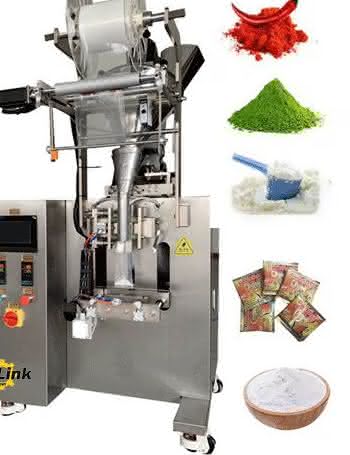
    Powder packaging is an intelligent machine for quantitative packaging of various powder materials. Its function is to accurately package the materials according to the set weight and bag length to meet your sales needs, improve your work efficiency, save time and cost, and obtain greater benefits. Next, I will give you a more comprehensive introduction to the composition, working principle, types and advantages of the powder packaging machine. Composition of powder packaging machine 1. Feeding device: The material is conveyed by hoppers, screw conveyors, etc. For example, the hopper device, put the material in the hopper, and the machine will feed it according to the set weight. 2. Measuring device: The key to ensuring the accurate weight of the packaged bag For example, when you set the weight to 10g for feeding and packaging, the powder packaging machine will receive the instruction and start weighing 10g through the scale inside the machine. Different machines have different metering methods, including screw weighing, volumetric weighing, and weighing metering. The example I gave is the weighing metering method. 3. Filling device After the powder packaging machine is fed and metered, the machine will be connected to the dispensing machine below through the discharge port for discharging, and the material will enter the former. Including filling tubes and filling heads. 4. Bag making device The material enters the bag through the former, and then the sealing part of the packaging machine will start to seal the roll film. Common seals include iron seals and aluminum seals. Different powder packaging machines are different, but the main components are feeding, metering, filling, and bag making. There are also control devices, PLC panels, and motors. The machine's bracket serves as an auxiliary and supporting function, which together constitute the powder packaging machine and ensure the operation and stability of the machine. By introducing the composition of the powder packaging machine, I think you have a clearer understanding of the machine. Next, I will introduce the working principle of the packaging machine in detail. Working principle of powder packaging machine The material enters the hopper of the unloading device and begins the first step of preparation for packaging. It is weighed by different machines and different measuring methods. The weighed material will pass through the unloading port to the former and the bag. The machine will wait for the unloading time according to the length of the bag and the weight of the material, and then seal and package it with the sealing device. Types of Powder Packaging Machines Different types of machines are used for different materials and business models. Small vertical  powder packaging machine: This type of packaging machine is relatively small and low-cost compared to large packaging machines. The packaging range is 0-100G, suitable for small entrepreneurs and places with space requireme...
  • Multi-Lane Stick Pack Machines: Higher Output, Lower Cost per Sachet
    Multi-Lane Stick Pack Machines: Higher Output, Lower Cost per Sachet
    A single-lane stick pack machine is a good start. A multi-lane stick pack machine is how producers scale up without adding floor space or operators. By forming two, four or more film tubes at once, Link’s machines multiply output while keeping each sachet identical. How Multi-Lane Works Multiple film webs run in parallel through the same frame, sharing one control system and one operator. Each lane has its own forming tube, dosing system and sealing jaws, so a problem in one lane does not stop the others. The Output Math A typical machine runs 40 strokes per minute per lane. Four lanes mean up to 160 sachets per minute from a single machine — equivalent to four single-lane lines in a fraction of the space, with lower energy and labour cost per sachet. Where Multi-Lane Shines Honey and jam sticks for hotels and cafés Coffee, sugar and milk powder single serves Powder drink mixes and instant tea Condiment sachets for food service Dosing options include piston pumps for liquids and auger fillers for powders, both with the accuracy standards Link has refined over 30 years of manufacturing experience. Contact the Link Machinery team to calculate what a multi-lane line would do for your production cost.
  • Choosing the Right Filling Nozzle for Honey, Sauce and Viscous Liquids
    Choosing the Right Filling Nozzle for Honey, Sauce and Viscous Liquids
    The nozzle is where a liquid filling machine earns its keep. Choose the right filling nozzle, and your honey or sauce fills cleanly at speed; choose wrong, and every cycle drips, strings or splashes. Link Machinery’s 30 years of manufacturing experience with viscous products makes nozzle selection one of the first decisions we make together. Match the Nozzle to the Product Honey and syrup: wide-bore nozzles with heating jackets keep flow fast and even Ketchup and sauce: spring-loaded cut-off nozzles shear the stream cleanly Thin liquids: small-bore nozzles with suck-back prevent trailing drips Match the Pump to the Viscosity Piston pumps handle thick pastes and sauces with precise volume control. Gear pumps suit mid-viscosity products, and peristaltic pumps protect shear-sensitive ingredients. The nozzle must be sized to the pump’s flow rate so filling stays within the time window of the machine cycle. Heating and Hygiene For crystallizing products like honey, jacketed hoppers and heated nozzle blocks keep temperature stable. Food-grade stainless contact parts and quick-release designs make end-of-shift cleaning fast and safe. Contact the Link Machinery team and send a sample of your product — we will recommend the nozzle, pump and temperature settings for your line.
  • Auger Filler Maintenance Guide: Keep Your Screw Feeder Accurate
    Auger Filler Maintenance Guide: Keep Your Screw Feeder Accurate
    An auger filler is a precision tool, and like any precision tool it needs care. A few minutes of daily maintenance keeps your screw feeder accurate for years. Link Machinery has built and serviced auger fillers for 30 years of manufacturing experience — here is the routine we recommend to every customer. Daily: Clean the Powder Path At the end of each shift, brush out the hopper, auger and filling tube. Powder left overnight absorbs moisture, cakes onto the screw and changes the dose weight the next morning. Use only food-grade brushes and approved cleaning agents. Weekly: Inspect the Drive and Seals Check the servo coupling for wear or backlash — a loose coupling means wandering weights Verify the auger-to-tube clearance: excess clearance allows backflow Inspect seals and gaskets for powder leakage Monthly: Calibrate and Record Run a 10-bag check weight, compare it to your target and adjust the dose correction factor in the PLC. Keep the log: a slow trend in weights usually signals a worn auger or a density change in the powder. Spare Parts from Link Original augers, tubes, couplings and agitators are stocked for fast dispatch. Using factory parts keeps your accuracy guarantee intact. Contact the Link Machinery team if you are not sure which part is worn — send a video and we will help you diagnose it.
  • How to Choose the Right MAP Packaging System for Fresh Food
    How to Choose the Right MAP Packaging System for Fresh Food
    Modified atmosphere packaging (MAP) replaces the air inside a pack with a controlled gas mix — typically nitrogen and carbon dioxide — to slow spoilage and keep fresh food appealing. Choosing the right MAP packaging system depends on your product, your film and your line speed. With 30 years of manufacturing experience, Link Machinery helps producers match all three. Step 1: Understand Your Product’s Needs Fresh meat and fish need high carbon dioxide to suppress bacteria; vegetables need oxygen to keep breathing; bakery goods need mostly nitrogen. Know your product’s respiration rate before choosing a gas mix. Step 2: Choose the Gas Delivery Method Gas flushing: gas is injected before sealing — simple, fast, ideal for pillow bags and sachets Compensated vacuum: air is drawn out first, then gas is added — better residual oxygen control for trays Step 3: Match Film and Seal Quality A high-barrier film keeps the gas mix inside for the shelf life you promise. Seal integrity is even more important: a micro-leak turns MAP into a liability. Link’s machines use servo-driven sealing jaws with consistent pressure and temperature, verified by optional seal testers. Step 4: Fit the Line Speed MAP slows the line slightly because gas must be introduced before every seal. Plan for 20–60 packs per minute depending on pack format, and let Link size the gas flushing module to your target. Contact the Link Machinery team with your product and shelf-life target — we will design the MAP system around them.
  • VFFS Machines for Frozen Food: Packaging That Survives the Freezer
    VFFS Machines for Frozen Food: Packaging That Survives the Freezer
    Frozen vegetables, dumplings, seafood and ready meals place brutal demands on packaging. The film must stay flexible at −18°C, seals must survive ice crystals, and the machine itself must resist condensation in a cold room. A VFFS machine for frozen food is not the same machine as one for dry snacks — and Link Machinery’s 30 years of manufacturing experience shows in the differences. The Challenges of Frozen Food Packaging Moisture and ice crystals attack the seal area, causing micro-leaks Brittle film at low temperature cracks at the forming tube Condensation corrodes unprotected frames and electronics Sharp product edges such as fish bones and vegetable stems puncture thin film Machine Features That Matter Link builds frozen-food VFFS lines with low-temperature sealing film capability, stronger seal jaws with servo pressure control, and full stainless steel contact surfaces. The film path is designed for thicker, puncture-resistant laminates, and the frame is protected against wash-down and condensation. Optional nitrogen flushing extends shelf life for premium frozen products. Output and Integration Depending on bag size and film, a Link frozen-food VFFS line runs 30–80 bags per minute, synchronized with multi-head weighers or volumetric fillers and metal detectors. Contact the Link Machinery team with your product, bag size and freezer conditions, and we will recommend the right VFFS configuration for your frozen food line.
  • Anti-Drip Technology in Liquid Filling: Stop Waste and Messy Pouches
    Anti-Drip Technology in Liquid Filling: Stop Waste and Messy Pouches
    Drips are the hidden cost of liquid packaging. Every drop that trails from the nozzle between cycles lands on the film, weakens the seal and wastes product. Anti-drip technology stops that trail before it starts — and it is one of the details Link Machinery has perfected over 30 years of manufacturing experience. Why Liquids Drip Surface tension and residual product keep a film of liquid on the nozzle tip after each fill. When the nozzle lifts, that film stretches and falls. Viscous products like honey drip slowly; thin products like water drip instantly. Three Anti-Drip Solutions We Build Into Our Machines Suck-back function: the pump reverses briefly after dosing, pulling the liquid column back into the nozzle Spring-loaded cut-off nozzles: the valve closes mechanically the moment filling stops, shearing the droplet Heated and coated tips: temperature control keeps honey flowing, while food-grade coatings reduce adhesion The Result on Your Line Clean film means strong, leak-free seals and fewer rejected pouches. Operators spend less time wiping nozzles, and product loss drops to near zero. For producers filling honey, sauce, oil or juice into sachets and pouches, an anti-drip nozzle system directly improves yield. Link’s liquid filling machines combine piston pumps, anti-drip nozzles and PLC control in one integrated unit. Contact the Link Machinery team for a drip-free trial with your own product.
1 ... 12 13 14 15 16

A total of 16 pages

Leave A Message
Leave A Message
If you are interested in our products and want to know more details,please leave a message here,we will reply you as soon as we can.

Home

Products

whatsapp