

A leaky seal wastes a batch, and a weak vacuum spoils the product. A sudden stop in mid-shift costs more than the repair bill.
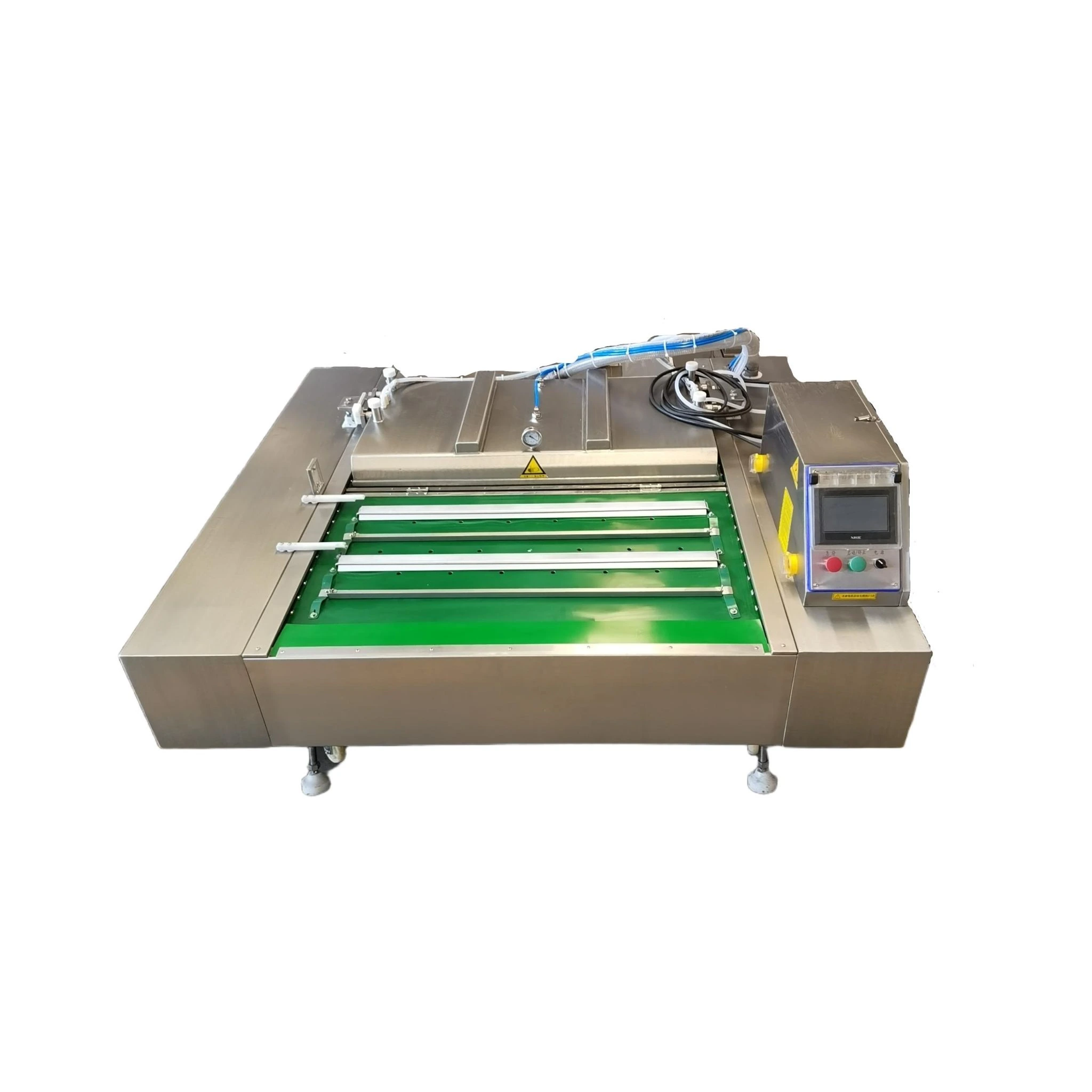
This guide gives a rolling vacuum packaging machine a daily, monthly, and six-month plan. It keeps the line running and the seals tight.
Daily care keeps a rolling vacuum packaging machine sealing tight. Ten minutes a shift beats a full-day repair.
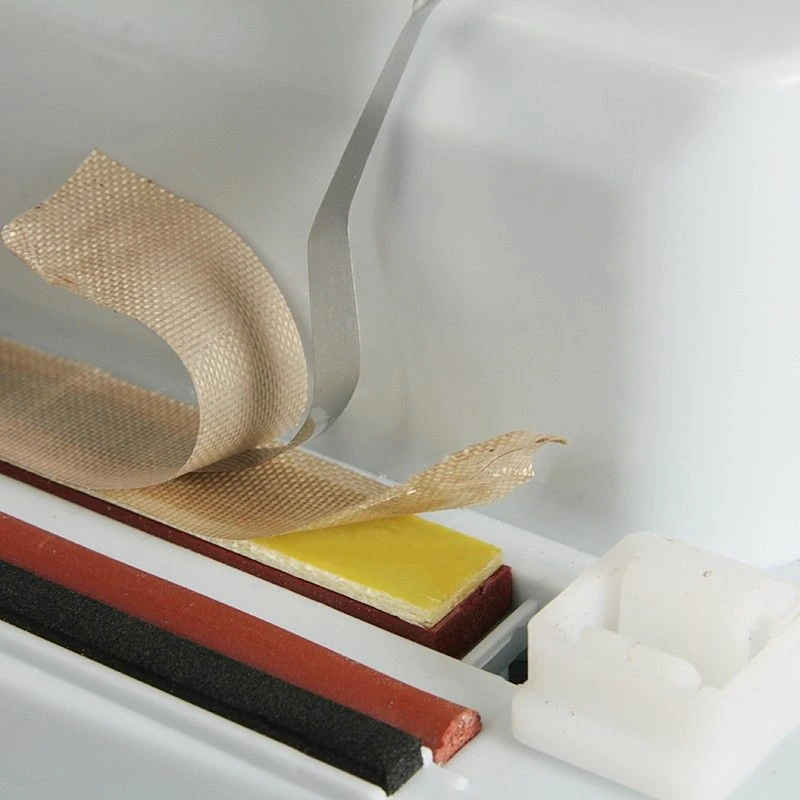
A rolling vacuum packaging machine seals best on a clean bar. Wipe the heating bar and the silicone strip after each shift, and leave no residue.
Residue on the bar burns onto the next seal. A dirty strip seals weak, and the bag leaks on the shelf.
Wipe the belt and the chamber clean after each run. Clear every scrap of product, so the next cycle seals on a clean surface.
A clean chamber holds vacuum better and keeps the seals firm. Dirt on the sealing strip breaks the seal, and the bag leaks.
End each shift with a quick look over the rolling vacuum packaging machine. Check the belt, the bars, and the chamber for wear, cracks, or loose parts.
A fault caught at shift end costs a wipe or a screw. The same fault caught mid-shift costs a batch and a stop.
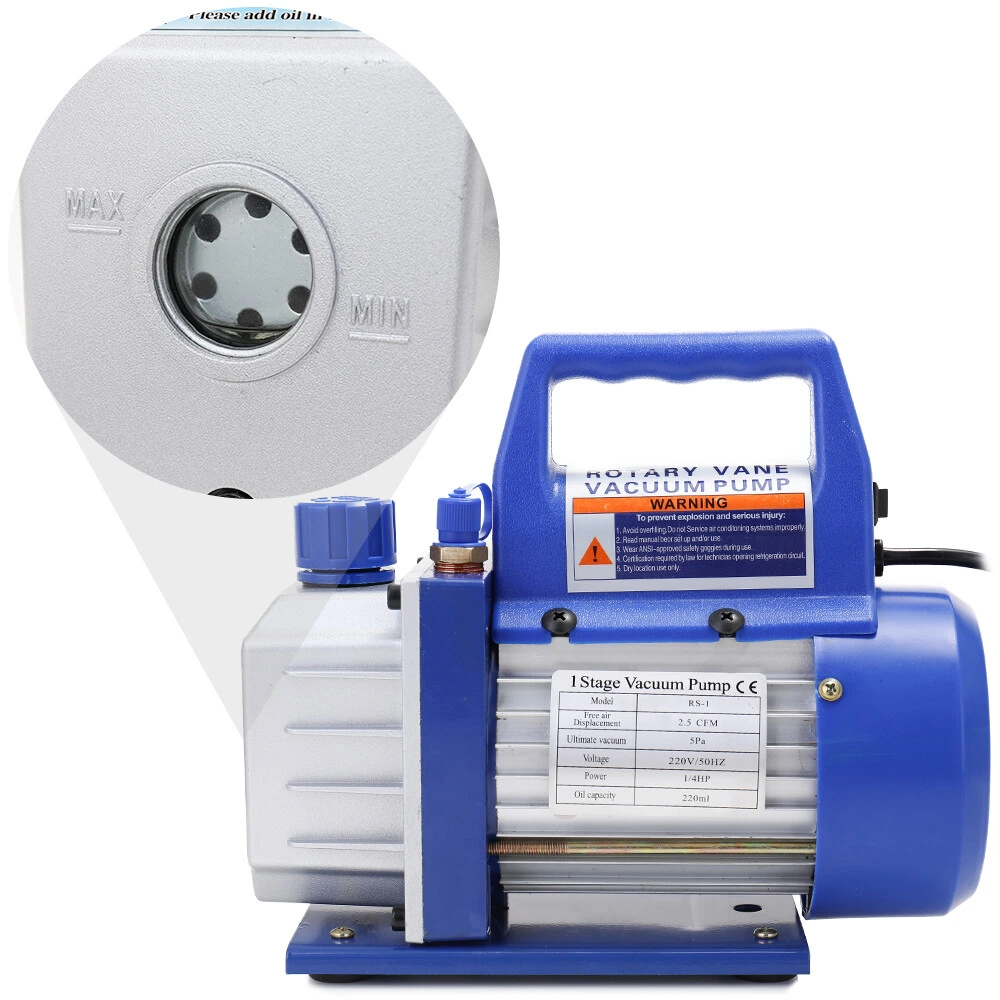
The vacuum pump is the heart of a rolling vacuum packaging machine. Oil care decides how long it lasts.
A rolling vacuum packaging machine needs its pump oil at two-thirds of the sight glass. Use a quality vacuum pump oil, and check the level each day.
A low oil level starves the pump, and dirty oil wears it fast. Top up the oil when the level drops, and change it on the schedule in the next section.
Change the pump oil every 1,500–2,000 working hours, a typical interval. Run the pump for 15–30 minutes first, so the oil flows out warm.
Drain the oil, run the pump for 5–10 seconds, and drain again. The second drain clears the oil left in the lines.
Clean the pump and fill it with fresh oil before a long stop. Fresh oil stops rust while the machine waits.
Cover the machine, and keep it dry. A damp store corrodes the pump and the chamber.
Straight seals start with a rolling vacuum packaging machine that is set right. The gap and the belt do the work.
On a rolling vacuum packaging machine, keep 7–10 mm between the heating bar and the silicone sealing strip. A gap outside that range seals weak or burns the film.
Measure the gap at both ends of the bar. A gap that tilts seals one side and misses the other.
The belt guide keeps the silicone strip lined up with the heating bar. A strip that drifts seals crooked, and the bag leaks.
Check the belt stop position each cycle, as the guide sets it. A belt that stops off-center needs a reset before the next run.
Turn the pressure spring screws on the chamber guide posts to set the height. A small turn moves the bar, so adjust in steps.
Test the seal after each adjustment, on a real bag. A straight seal with no wrinkle means the setting is right.
A rolling vacuum packaging machine has many moving parts, and each one needs oil on time. The schedule below covers them all.
A rolling vacuum packaging machine needs oil on its links, sliders, bearings, chains, and gears about every 30 days. Use No. 20 oil or grease on every moving and sliding part.
Check the gearbox oil level at the same time. Top it up when the level falls, so the gears never run dry.
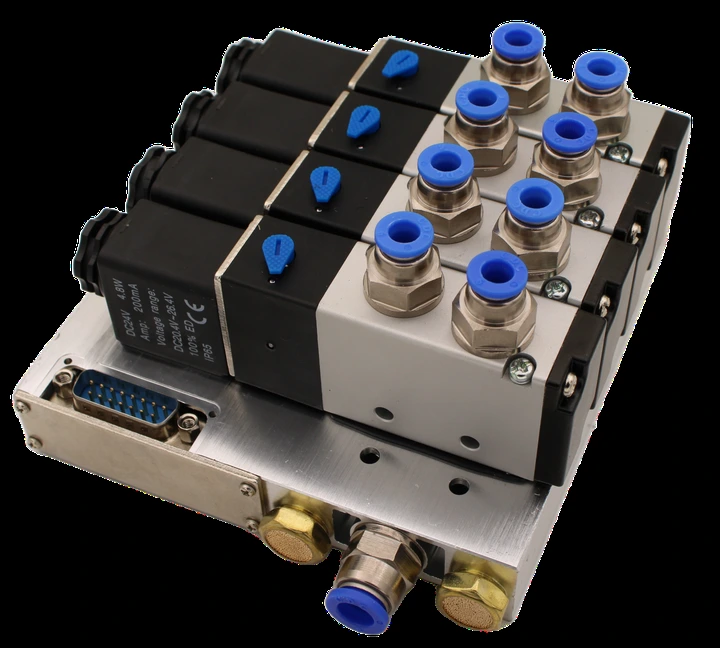
Take the solenoid valves apart about every 6 months. Wash the seat, coil, body, core, and spring in cleaning oil or kerosene, then dry them. Keep kerosene away from flame.
Coat the valve core with a little oil before you put it back. Test the valve after the rebuild, and watch for leaks at the seals.
Keep a rolling vacuum packaging machine free of oil stains and product dust. A clean machine runs cooler, and a fault shows up sooner.
Wipe the outside at the end of each shift. A five-minute wipe beats a full-day repair.
A rolling vacuum packaging machine works from -5°C to 60°C, at up to 85% humidity. Keep the air free of harmful gas, dust, and explosives.
Never bump the machine while it runs or while you move it. A knock can break the gauges and the switches.
Daily cleaning, pump oil on schedule, straight seals, and a clean room keep a rolling vacuum packaging machine running. Skip a step, and the line stops. Talk to LINK Machinery, a CE and RoHS certified China factory, for a machine built to last.
1. Why does my vacuum pump run nonstop without sealing?
A worn or dirty sealing gasket is the first cause. Air leaks back into the chamber, so the pump never reaches its target. A leaky or poorly made bag is the second cause, behind about 40% of nonstop pumping cases. Run an empty-chamber hold test first, and watch the gauge for a fast pressure rise.
2. How do you find a vacuum leak?
Run a vacuum-hold test: cycle an empty chamber and watch the gauge. A fast pressure rise means a leak. Listen for hissing around the lid gasket, the most common leak point. Check the seal bar for debris, and test hoses and fittings with bubble solution.
3. What spare parts should you keep for a rolling vacuum machine?
Keep heating bars, silicone sealing strips, vacuum pump oil, and solenoid valve seals on the shelf. These are the parts the maintenance plan touches most. A spare set means a worn strip never stops the line for a day.
4. Why does vacuum pump oil turn milky white?
Water has mixed into the oil and formed a milky emulsion. The emulsion kills lubrication, so the pump wears fast. Change the oil at once, and check the pump for a water leak before the next run.
5. Can I use the same oil for the vacuum pump and the moving parts?
No, the pump needs a quality vacuum pump oil, and the moving parts take No. 20 oil or grease. Pump oil handles vacuum and heat, while No. 20 oil handles sliding metal. Keep the two oils apart, and label each can.
6. What is the first sign the vacuum pump is failing?
Watch the oil. Oil that turns black or milky, shows water drops, or grows thick means the pump needs oil now. A solenoid valve that hums or shakes after power-on is another early sign. Catch either one early, and turn the valve core a little until the noise stops.

Email : Molly@xmlk-machine.com
EMAIL us
Room 810, No. 35-2 Xinjing Road, Haicang, Xiamen, Fujian, China
Our Address
Tel : +86 18150150881
Whatsapp : +8618150150881
call us


 English
 français
 português
 ไทย