
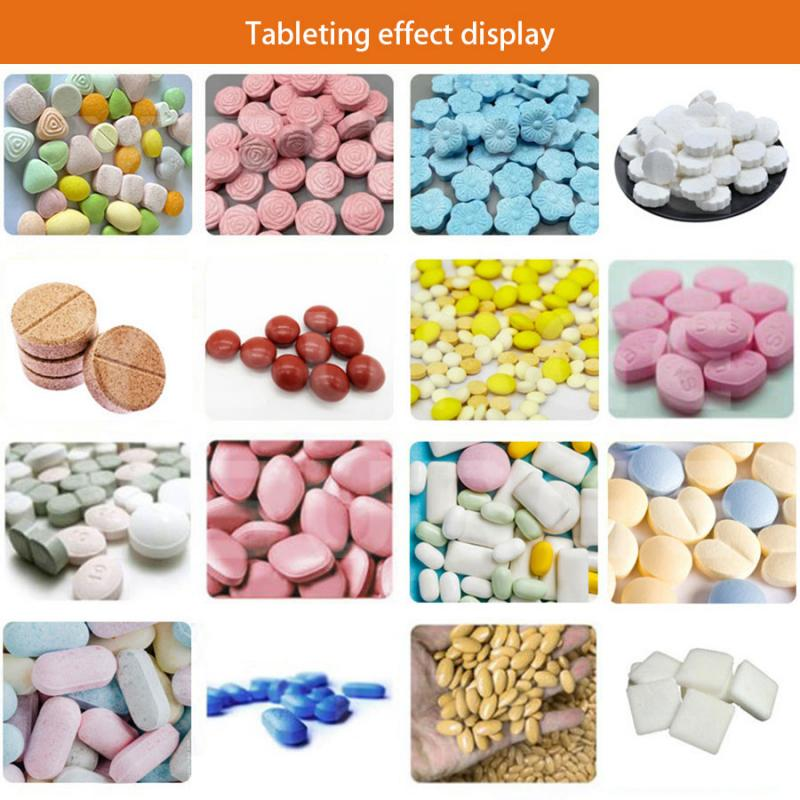
In the pharmaceutical industry, the packaging quality of tablets, capsules, granules, etc. directly affects product safety and market competitiveness. This article will explore the core processes, mainstream equipment types and price influencing factors of tablet packaging, hoping to provide some help when you purchase.
Core Processes and Equipment Applications of Tablet Packaging
Blister Packaging
The blister packaging machine pharmaceutical industry is the mainstream technology for tablet packaging at present. The tablets are sealed in independent blisters through thermoformed aluminum-plastic film or PVC materials. Such equipment (such as fully automatic tablet packaging machines) can accurately complete blister forming, drug filling, aluminum foil sealing, punching and other processes. It is suitable for single or multiple tablets and capsules, ensuring moisture-proof and light-proof, and convenient for patients to take according to the dosage.
Bottle filling system
For the packaging needs of large-dose tablets, the tablet packaging machine can be linked with the capping machine and labeling machine to achieve high-speed counting and bottling. The production capacity can reach 200-500 bottles/hour, which is particularly suitable for large-scale packaging of chronic disease drugs.
Granule/powder packaging technology
The pharmaceutical granule bag packaging machine and the pharmaceutical powder bag packaging machine use a multi-channel metering system to complete the small bag packaging through the VFFS (vertical bag sealing) process. The equipment can be customized with bag specifications of 10ml-500ml, with an accuracy error of ≤±1%, meeting the dosage requirements of granules and Chinese medicine powders.
Factors affecting the price of pharmaceutical packaging machines
Automation level
Semi-automatic equipment (such as basic blister packaging machines) costs about
several hundred US dollars and is suitable for small and medium batch production; fully automatic production lines (with integrated visual inspection and data traceability functions) cost up to thousands of US dollars or even more, but can reduce labor costs by 60%.
Material compatibility
Equipment that can simultaneously process composite films such as PVC, PET, and cold aluminum needs to be equipped with a multi-stage temperature control module, and the price is 20%-35% higher than that of single material models.
How does a pharmaceutical packaging machine work?
(1) Material preparation: Check the quality of tablets, remove unqualified products, put qualified tablets into hoppers, vibrating plates and other feeding devices, and transport them to the packaging machine working area.
(2) Measuring and filling: The set number or weight of tablets are measured by a mold or an electronic weighing system and loaded into a blister plate or packaging bag.
(3) Forming and sealing: When packaging blister, heat and soften the plastic sheet, vacuum absorb or punch it into a blister, and heat-seal it with aluminum foil after loading the tablets; for bag packaging, open the prefabricated bag, heat-seal it or seal it in other ways after loading the medicine.
(4) Coding and counting: The coding machine prints information such as the name of the drug and the date of production, and the counting device counts the number of packages.
(5) Finished product output: The packaged tablets are output from the discharge port, collected and sorted, and packed into boxes for easy storage, transportation and sales.
What should I pay attention to when purchasing a tablet packaging machine?
Production capacity matching
The model selection needs to be based on the current production. For example: if the daily output is 100,000 tablets, it is recommended to use a medium-speed blister machine with a capacity of 120 plates/minute.
Cleaning validation design
Preferably choose pharmaceutical packaging machines equipped with CIP (cleaning in place) systems, which can reduce batch conversion time by 30%.
Data integration capabilities
Device that supports OPC UA or Modbus protocols is easier to access the MES system to achieve real-time monitoring of packaging parameters.
Selecting suitable tablet packaging machines and pharmaceutical packaging machines requires a comprehensive assessment of product characteristics, regulatory requirements and long-term production costs. It is recommended that companies conduct a comprehensive investigation of manufacturers and verify the equipment's ability to handle special products such as irregular tablets and fragile capsules through trial tests, so as to create an efficient and compliant pharmaceutical packaging system.

Email : Molly@xmlk-machine.com
EMAIL us
Room 820, No. 289-7, wengjiao Road, xiamen, Fujian, China
Our Address
Tel : +86 18150150881
Whatsapp : +8618150150881
call us


 English
 français
 português
 ไทย
ไทย