If you are unsure what a sachet is or how it fits your product line, this guide explains the sachet meaning, common types, and how brands use them.
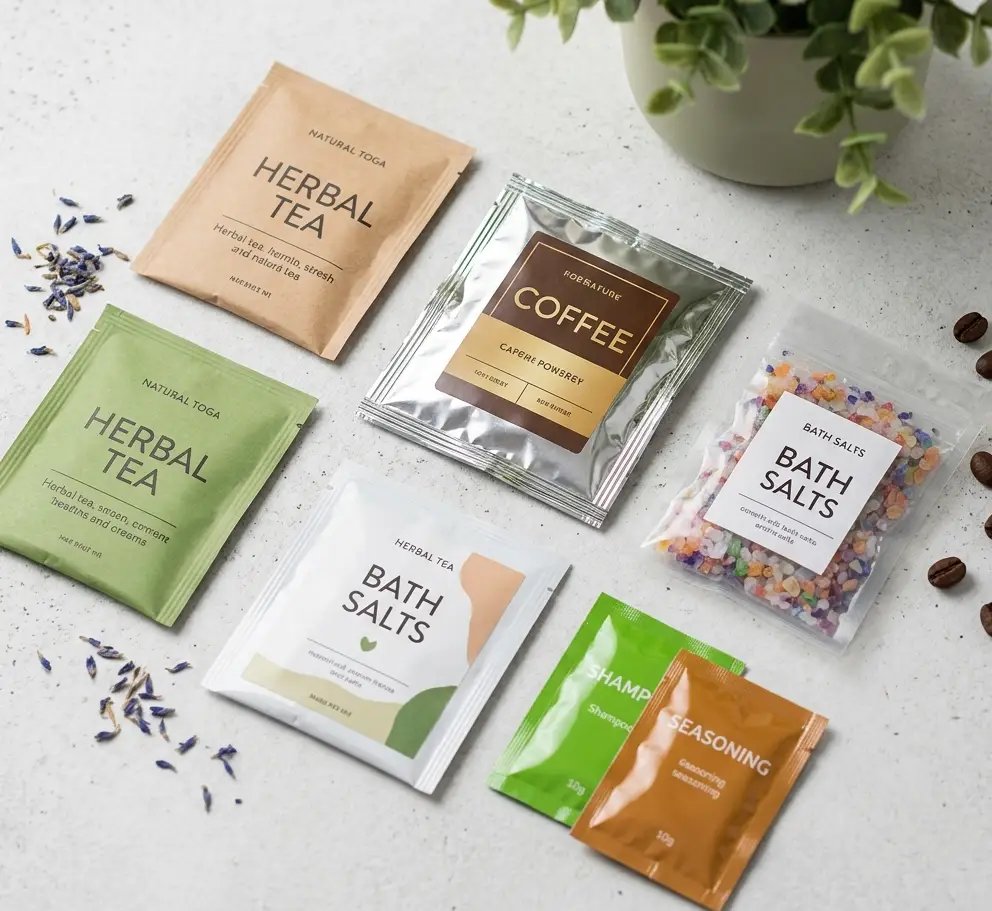
A sachet is a small, flat, single-use package made from flexible film. During production, the film forms a tube, and heated jaws seal three or four sides. Most sachets hold between 1 and 50 grams of product.
Buyers sometimes confuse a sachet with a pouch. A pouch is larger and may include a zipper or spout for reuse. A sachet is smaller, lighter, and made for one-time use. This difference guides both packaging cost and machine choice.
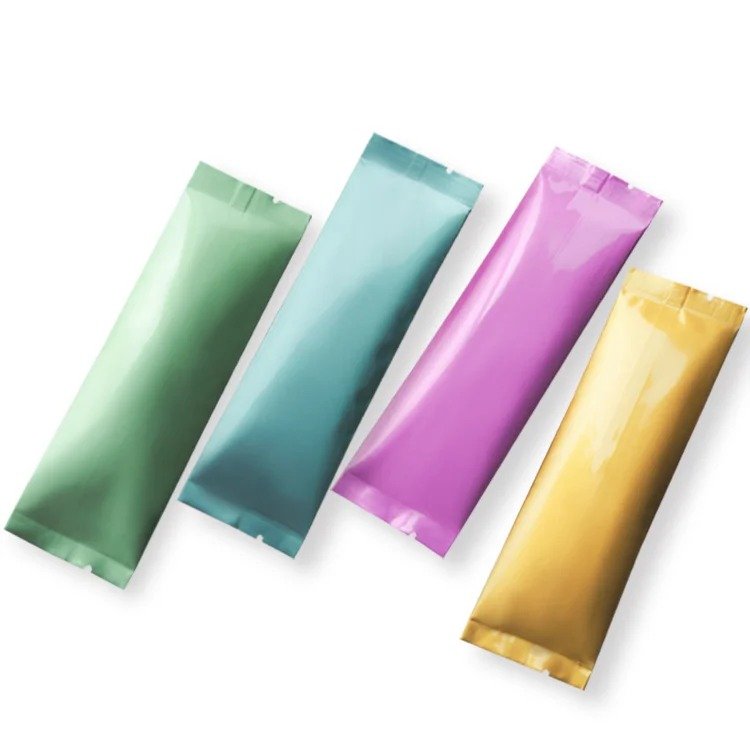
Machine builders offer three common sachet types. The right type depends on product weight, barrier needs, and shelf design. Choosing early saves redesign costs later.
Two films seal on three sides to form a flat pack. This type suits wipes, sugar packs, and dry samples. It costs the least among the three types.
Four sealed edges give the sachet extra strength. Powder and liquid brands prefer this type for leak protection. It also stands better on retail shelves.
Stick packs are long, narrow sachets for single servings. Coffee, sugar, and pharma powders are common examples. They pack tightly and ship well in cartons.
Film structure matters for shelf life. Common films combine PET, aluminum foil, and PE layers. High-barrier films protect against moisture and oxygen. Your supplier should match the film to your product.
Sachets appear in almost every supermarket aisle. Food brands use them for condiments, coffee, tea, and seasoning powders. Cosmetic brands pack shampoo, lotion, and cream samples in sachets.
Pharma companies fill granules and powders into sachets for exact dosing. Daily chemical brands use sachets for detergent and disinfectant refills. These uses all share one goal: precise, low-cost portioning.
When you compare sachet suppliers, ask about film options, changeover time, and minimum order quantity. These three factors decide your real unit cost.
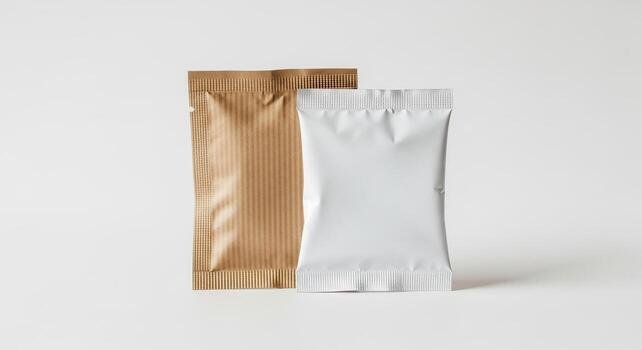
Sachets cut packaging cost per unit. Flexible film costs less than rigid bottles or jars. Shipping also costs less because sachets are light and flat.
Single-serve sachets help small brands launch trial sizes. Customers try the product at a low price point. This lowers the purchase barrier for new brands entering crowded shelves.
Portion control is another clear benefit. Each sachet holds an exact measured dose. This matters for seasoning blends, medicines, and concentrated cleaners.
A sachet packing machine forms the sachet from roll film. First, the film folds into a tube. Then the machine fills each sachet with a measured dose. Finally, heated jaws seal the film.
Different fillers suit different products. Auger fillers handle fine powders with high accuracy. Piston fillers handle viscous liquids such as sauces and creams. Volumetric cups suit free-flowing granules like sugar.
LINK offers automatic machines for these product types. The liquid water sachet packing machine handles thin liquids. The cream sauce sachet filling machine handles viscous sauces.
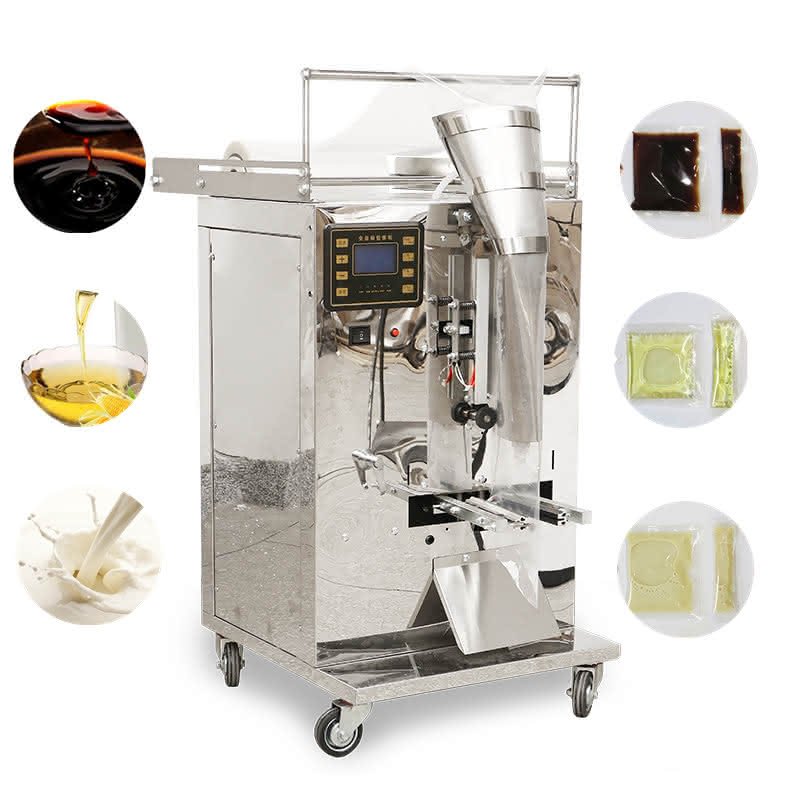
Ready to pack your product in sachets? LINK builds automatic sachet packing machines for food, cosmetic, and pharma brands. Contact our engineers for a tailored solution.
Q: Can sachet packaging carry your logo and full-color design?
A: Yes. Sachet film prints in up to 8 colors before forming, so your logo covers each pack.
Q: How much does a sachet packing machine cost?
A: Sachet machine prices vary by lane count and speed, from 40 to 200 packs per minute.
Q: What sachet size should you choose for a new product?
A: Match sachet width to dose: most sachets hold 1 to 50 grams, in widths of 30 to 160 mm.
Q: How long do sachets last on the shelf?
A: With 3-layer PET, foil, and PE barrier film, sachets protect products for 6 to 12 months.
Q: Does a sachet need a tear notch for easy opening?
A: Most sachets seal on 3 or 4 sides and add a tear notch, so you open each pack by hand.
Q: Are sachets recyclable?
A: Most sachets use 3-layer laminated film, so recycling is limited; mono-material film is emerging.

Email : Molly@xmlk-machine.com
EMAIL us
Room 810, No. 35-2 Xinjing Road, Haicang, Xiamen, Fujian, China
Our Address
Tel : +86 18150150881
Whatsapp : +8618150150881
call us


 English
 français
 português
 ไทย