

In the confectionery industry, candy wrapping machines play a pivotal role. They are the unsung heroes that ensure our favorite candies are beautifully packaged, efficiently, and ready for consumers around the world to enjoy. A candy wrapping machine is a piece of equipment specifically designed to wrap candies with a variety of packaging materials, protecting them from external factors such as moisture, air, and light, while making them attractive to customers.
How many bags can a candy wrapping machine produce per minute?
The production capacity of a candy wrapping machine can vary greatly depending on a number of factors. These factors include the type of machine, its size, the complexity of the wrapping process, and the size and shape of the candies being wrapped.
For basic, small-scale candy wrapping machines, they can produce approximately 20-50 bags per minute. These machines are generally suitable for small-scale candy producers or artisanal candy makers with low production requirements. They are relatively simple to design and operate, making them a cost-effective option for those just starting out in the candy business.
On the other hand, commercial candy wrapping machines used in large-scale production facilities can achieve much higher production rates. Some high-end models can produce 150-200 bags per minute or even more. These machines are equipped with advanced automation systems, high-speed conveyors, and precise metering devices. They can easily handle large quantities of candies, ensuring a continuous and efficient production process.
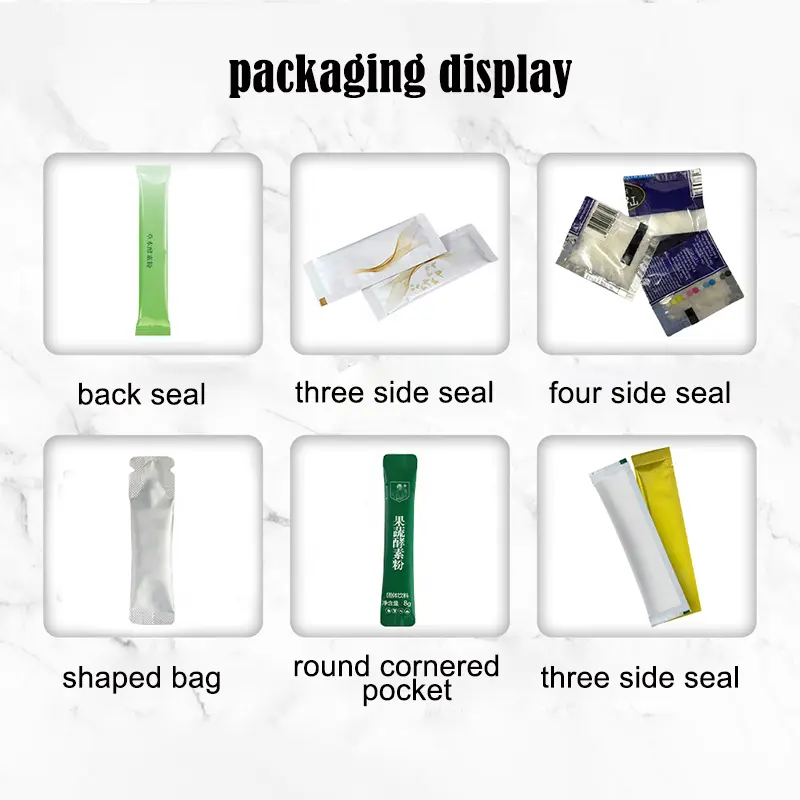
Packaging Hard Candies
Packaging hard candies requires a different approach than soft candies or more malleable candies. Hard candies are fragile and can easily break if not handled properly. To effectively package hard candies, candy packaging machines typically use gentle yet precise handling mechanisms.
One common approach is to use a form-fill-seal packaging machine. This type of machine first forms the packaging material into a bag shape, then fills it with measured hard candies, and finally seals the package. The forming process is carefully controlled to ensure that the shape of the packaging material can accommodate the hard candies without causing any damage. The filling mechanism is designed to dispense the candies slowly and steadily, preventing them from bumping and breaking. Once the candies are inside the package, the sealing process is done quickly and safely to keep the candies fresh and protected.
Another option for packaging hard candies is to use a vertical packaging machine. Vertical packaging machines are known for their ability to handle a wide range of products, including hard candies. They work by vertically unrolling the packaging film, forming it into a tube shape, filling it with candies, and then sealing the bottom and top of the package. The vertical design allows for a more stable and controlled filling process, reducing the risk of hard candies falling or breaking during the packaging process.
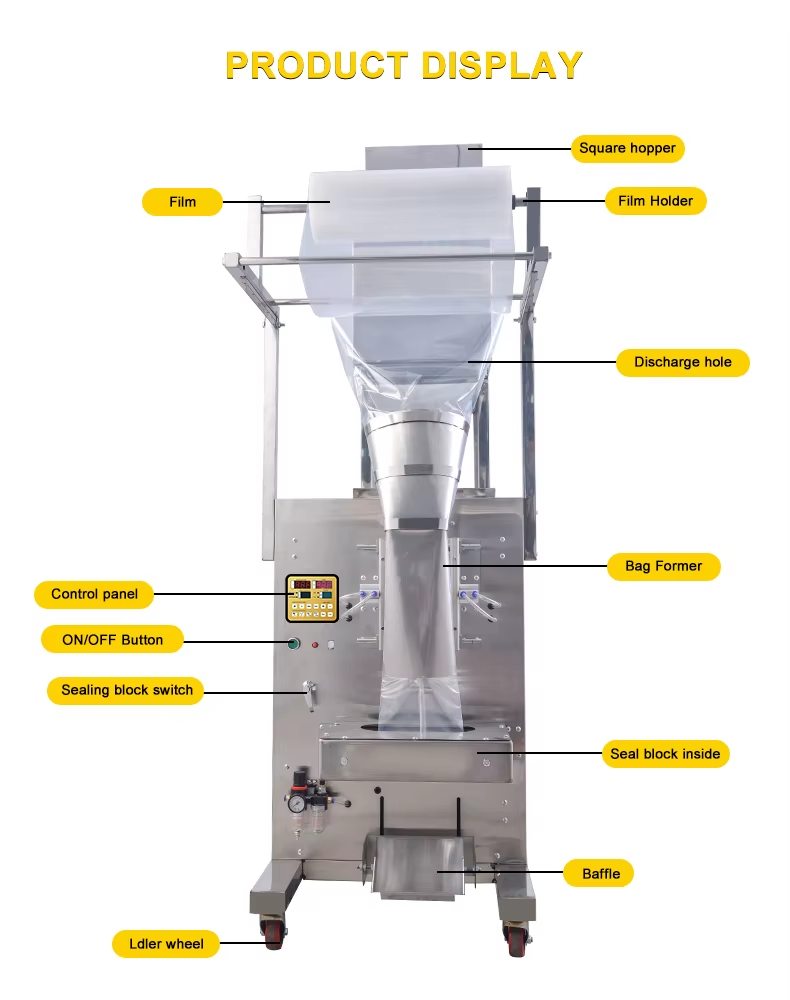
How Small Candy Packaging Machines Work
Small candy packaging machines are a popular choice for small candy manufacturers, bakeries, and even home-based candy businesses. These machines are compact, simple to operate, and relatively affordable.
Typically, a small candy packaging machine starts with a hopper, where the candies are loaded. The candies then pass through a metering device, which measures the exact number of candies to be packaged in each bag. This metering device can be either a volumetric metering system or a gravimetric metering system. Volumetric metering systems measure the volume of the candies, while gravimetric metering systems measure the weight of the candies. The choice of metering system depends on the accuracy requirements and the nature of the candies.
Once the candies have been measured, they are transferred to the packaging area. The packaging material, usually a roll of plastic film or paper, is fed into the machine. The machine then forms the packaging material into a bag or pouch shape, fills it with the measured candies, and seals the package. Some small candy packaging machines may also have other features, such as a labeling mechanism or the ability to add a twist or closure to the package.
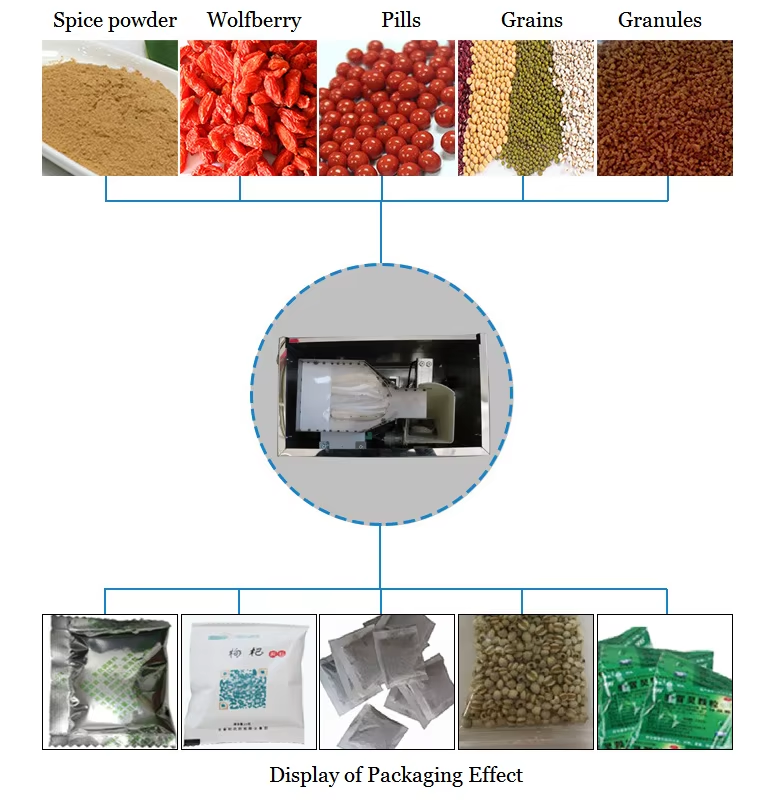
Candy packaging machines are an essential tool in the candy industry. Whether you are a small candy manufacturer or a large commercial producer, understanding the functions and working principles of these machines can help you choose the right machine for your business. By investing in the right candy packaging machine, you can increase production efficiency, improve the quality of packaged candies, and ultimately satisfy your customers' sweet tooth.
Other FAQs
1. What are the common maintenance requirements for food packaging machines?
The cost of a candy packaging machine varies widely depending on its type, features, and production capacity. Small, basic manual or semi-automatic machines can start from just a few dollars. These machines are suitable for hobbyists or very small-scale operations.
2. Can candy packaging machines handle different types of packaging materials?
Yes, most modern candy packaging machines are designed to be versatile and can handle a variety of packaging materials. They can be used with plastic films such as polyethylene, polypropylene, and polyester, which are popular for their durability, flexibility, and moisture-proof properties.
3. Are any new technologies incorporated into the candy packaging machines?
Absolutely! The candy packaging industry is constantly evolving, and new technologies are being incorporated into candy packaging machines. These technologies can analyze data from sensors on the packaging machine to adjust settings in real time, increasing efficiency and reducing waste. They can detect defects in the candy or packaging, ensuring that only high-quality products make it to market.

Email : Molly@xmlk-machine.com
EMAIL us
Room 820, No. 289-7, wengjiao Road, xiamen, Fujian, China
Our Address
Tel : +86 18150150881
Whatsapp : +8618150150881
call us


 English
 français
 português
 ไทย
ไทย