

When choosing a filling machine, many manufacturers focus on speed and price. However, the pump has a major impact on filling accuracy, production stability, and maintenance costs.
If you have packaging needs, choosing the right rotary pump is crucial. This guide will take you through the key advantages and industrial applications, their role in modern fluid transfer and filling systems across various industries.
What Is a Rotor Pump?
A rotor pump is a type of positive displacement pump that uses rotating rotors to transfer liquids, semi-liquids, and viscous products from one point to another. In filling machines, the rotor pump serves as the core fluid-handling component, delivering a precise and consistent volume of product during each pumping cycle. Because of its ability to maintain stable flow and handle a wide range of viscosities, you use rotor pumps extensively in food, beverage, cosmetic, pharmaceutical, and chemical filling applications.
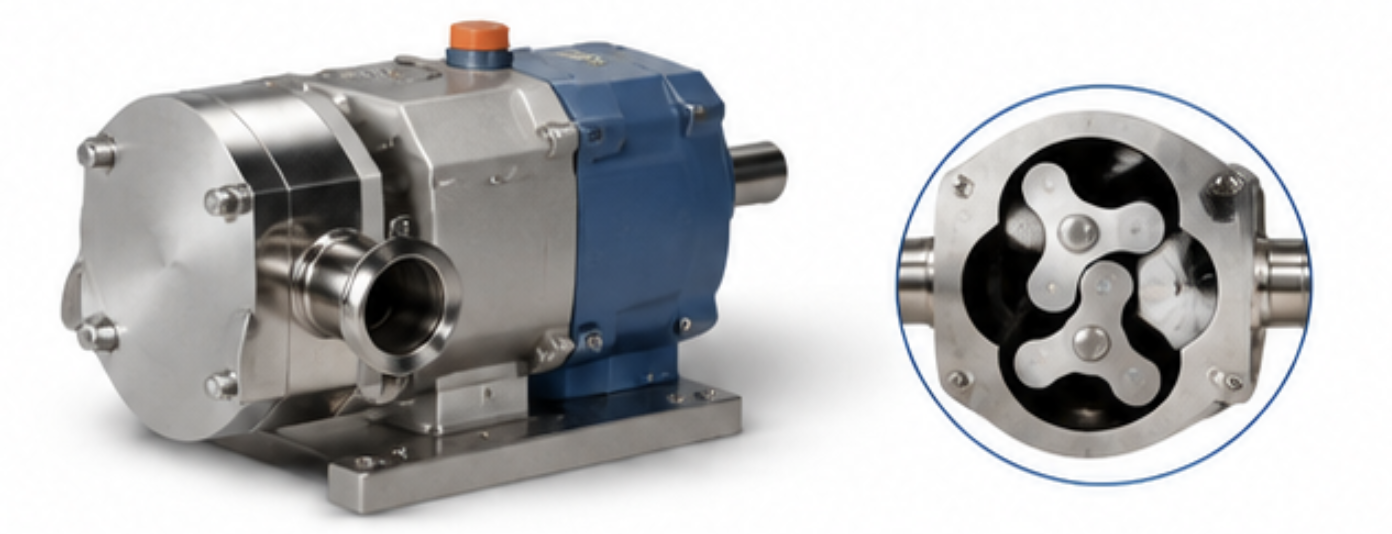
Rotor pumps offer several advantages,it is a preferred choice for filling and packaging applications.
A rotor pump delivers a stable flow rate during operation. It helps maintain filling consistency and reduces product loss. This is important when packaging products such as honey, sauces, oils, cream, and other materials that require precise filling volumes.
A rotor pump can handle liquids, pastes, and products with higher viscosity. It can also process some products that contain small particles. This flexibility allows you to use one pumping system for different packaging applications.
Rotor Pump will moves products through the pump without excessive force. This helps maintain product structure and appearance during transfer. Manufacturers often choose rotor pumps for products where consistency and appearance are important.
Rotor pumps support continuous production and maintain a steady output throughout the packaging process. This helps filling machines achieve stable performance.
Rotor pumps use a simple design that makes cleaning and routine maintenance easier. Operators can access key parts quickly, which helps reduce cleaning time and keep production running smoothly.
The working principle of a rotor pump is based on positive displacement. Instead of relying on high-speed centrifugal force, the pump transfers products by creating sealed chambers that move a fixed volume of material during each rotation.

When the pump starts running, the rotating rotors create a low-pressure area at the inlet. This pressure difference draws the product into the pump chamber. Whether the product is a thin liquid or a thick paste, it enters the pump smoothly without excessive turbulence.
As the rotors continue to rotate, the rotating rotors create spaces between themselves and the pump housing. These spaces act as temporary chambers that capture a specific volume of product.
Because the product is trapped inside these chambers, the pump can move it in a controlled and predictable manner.
The captured product travels around the inside wall of the pump housing as the rotors rotate. During this process, the product is transported from the inlet side to the outlet side without passing directly through the center of the pump.
This design helps maintain a steady flow while reducing product damage.
When the chambers reach the outlet area, the available space decreases. The pump then pushes the product out through the outlet and into the filling system.
Since the volume transferred during each rotation remains consistent, the pump can provide accurate and repeatable filling performance.
You can use rotor pumps extensively in filling machines across various industries. due to their ability to deliver a stable flow rate and accurate product transfer. Whether handling thin liquids or high-viscosity products, they help ensure consistent filling performance and improve overall production efficiency.
Rotor pumps are commonly used for filling low-viscosity liquids such as edible oil, syrup, soy sauce, juice, and liquid seasonings. Their steady flow helps maintain filling accuracy, minimize product waste, and ensure consistent fill levels throughout the production process.
For products with higher viscosity, rotor pumps provide reliable and smooth product transfer. They are widely used in filling applications involving honey, cream, chocolate sauce, peanut butter, and various food pastes.
Many sauces and condiments require precise filling and gentle product handling. Rotor pumps are frequently used in ketchup, chili sauce, salad dressing, and cooking sauce filling lines because they can accommodate different viscosities while maintaining consistent filling accuracy and production efficiency.
In the cosmetics and personal care industry, rotor pumps are often used to fill products such as lotions, shampoos, shower gels, hand sanitizers, and creams. Their stable pumping performance helps ensure uniform package weights, reduce product waste, and maintain product quality.
Rotor pumps are also an important component of modern automated filling systems. They can be integrated with servo-driven filling machines, PLC control systems, conveyors, capping machines, carton machines and labeling equipment to support continuous production, improve operational efficiency, and enhance overall line performance.
Different filling machines have different requirements:
Single-nozzle filling machines usually need a smaller rotor pump because they fill one container at a time.Multi-nozzle filling machines require larger pumps to supply multiple heads evenly and maintain consistent output.High-speed automatic lines often need high-capacity pumps to ensure stable flow during continuous operation.Semi-automatic machines focus on accuracy and gentle product handling rather than maximum output.The number of filling heads, line speed, and container size all affect the pump selection.
Once you know the product, volume, and machine type, select the appropriate rotor pump model. For example:
| Filling Machine Type | Filling Volume | Recommended Rotor Pump |
|---|---|---|
| Single-Nozzle Machine | 10–100 ml | RP-3 |
| Single-Nozzle Machine | 100–500 ml | RP-6 |
| Double-Nozzle Machine | 100–500 ml | RP-6 |
| Four-Nozzle Machine | 100–1000 ml | RP-8 |
| Automatic High-Speed Line | 500–5000 ml | RP-12 |
Matching the rotor pump to the machine ensures each nozzle receives a consistent product supply and maintains filling accuracy.
Production requirements may increase over time. Selecting a rotor pump that can support higher volumes or additional filling heads allows you to expand your production line without replacing the pump. This provides long-term flexibility and reduces future upgrade costs.
Choosing the right rotor pump is essential for achieving accurate filling, long-term stable production. If you are planning a new filling project or upgrading an existing production line, Welcome to contact us .Link can help you select the most suitable rotor pump and filling solution based on your product requirements.
1.Can a rotor pump handle abrasive or corrosive products?
Yes, many rotor pumps can be made from stainless steel or other corrosion-resistant materials. This allows them to handle mildly abrasive or chemically active products without damaging the pump components or affecting product quality.
2.Are rotor pumps suitable for multi-head filling machines?
Yes, rotor pumps can supply multiple filling heads simultaneously, ensuring each head receives a consistent flow of product. This makes them ideal for high-speed multi-head filling systems in food, cosmetic, and chemical industries.
3.Can rotor pumps run dry?
Rotor pumps are not typically designed for extended dry running. Operating without product for long periods may cause increased wear and reduce pump lifespan. It is recommended to ensure adequate product supply during operation.
4.What factors affect rotor pump performance?
Several factors can influence pump performance, including product viscosity, filling speed, operating pressure, product temperature, and the condition of pump components. Proper pump selection helps maintain stable operation.
5.How long does a rotor pump typically last?
The service life depends on operating conditions, maintenance practices, and the products being processed. With regular maintenance and proper operation, a rotor pump can provide reliable performance for many years.

Email : Molly@xmlk-machine.com
EMAIL us
Room 820, No. 289-7, wengjiao Road, xiamen, Fujian, China
Our Address
Tel : +86 18150150881
Whatsapp : +8618150150881
call us


 English
 français
 português
 ไทย
ไทย