
Choosing the right packaging machine is crucial to your production line. Choosing the wrong machine can lead to production bottlenecks, frequent breakdowns, and even lost orders. Many businesses rush into buying machines simply because they seem inexpensive, only to regret it later. To help you avoid these problems, we've compiled a concise guide to help you avoid the most common pitfalls when choosing a packaging machine.
1. Don't blindly pursue theoretical capacity
The truth is: manufacturers like to boast about their machines' "top speed" in advertisements. But this figure is essentially a myth; it can only be achieved under perfect laboratory conditions, requiring zero downtime and continuous operation by highly trained personnel.
If your daily output is 5,000 pieces, buying a machine that claims to be able to handle 10,000 pieces per hour is a pure waste of money. You'll end up with an overkill machine that consumes enormous amounts of energy and takes up unnecessary space. On the other hand, a machine that's too slow will turn your production line into a traffic jam, causing you to miss delivery deadlines and dissatisfied customers.
How to avoid this pitfall:
Calculate your peak production demand (including seasonal spikes) and choose a machine with 10–20% extra capacity to leave room for growth.
Ask suppliers for on-site testing with your actual materials and packaging to verify real production speed.
2. Overlook Product & Packaging Compatibility
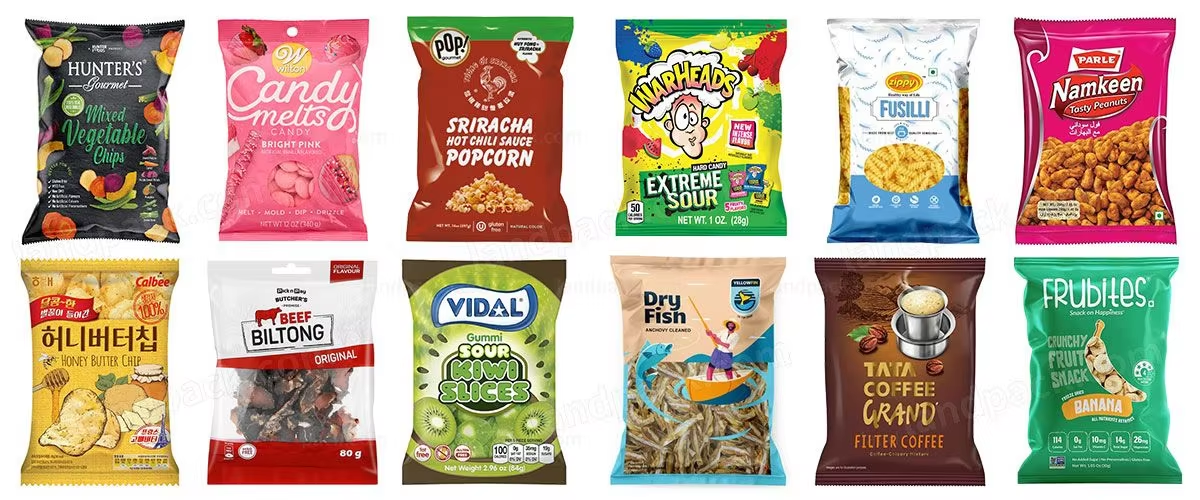
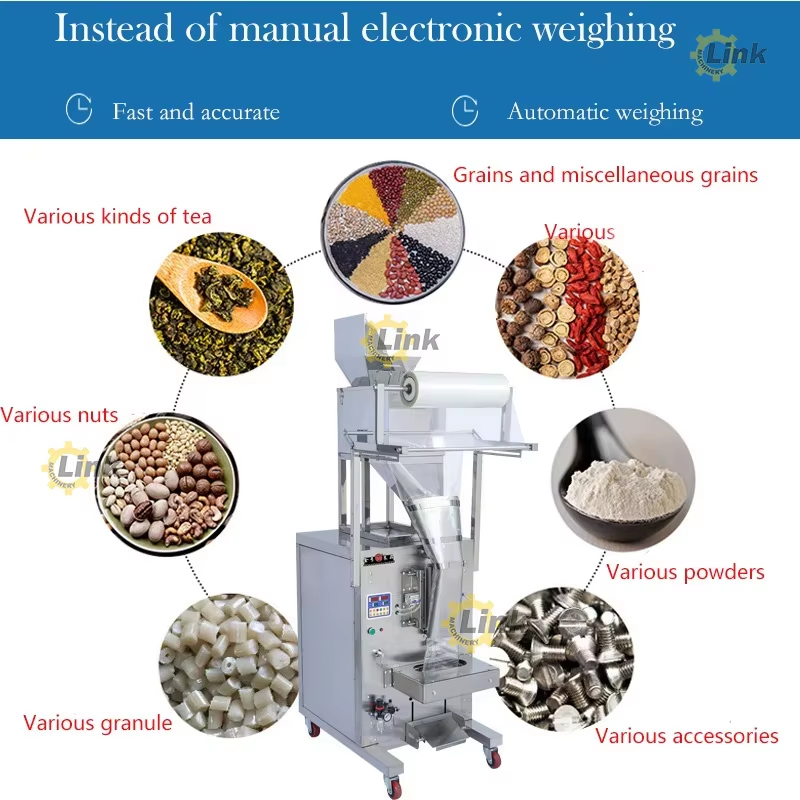
A packaging machine that works well for one product may fail completely for another. This is especially true for specialized items like liquid, paste, granule, or fragile products.
For example, a liquid packaging machine requires leak-proof sealing and precise filling systems, while a granule packaging machine needs anti-blocking and weighing accuracy features. Using a general-purpose machine for sticky sauces or powdery products will result in messy packaging, inaccurate weights, and frequent jams.
How to avoid it:
Provide suppliers with samples of your products and packaging materials (e.g., plastic films, pouches, boxes) before purchasing.
Confirm the machine’s compatibility with your specific product characteristics: viscosity, particle size, fragility, and packaging size range.
3. Neglect After-Sales Service & Maintenance
Many buyers focus solely on the upfront price and ignore after-sales support—this is a costly mistake that leads to prolonged downtime.
Packaging machines have moving parts that wear out over time, such as blades, seals, and motors. Without timely maintenance and replacement parts, a broken machine can halt your entire production line. Some low-cost machines from unknown suppliers may lack a global service network or genuine spare parts.
How to avoid it:
Choose suppliers with a proven after-sales service system, including on-site installation, operator training, and 24/7 technical support.
Ask about the availability of spare parts and their delivery time to your location.
Check customer reviews and case studies to verify the supplier’s service quality.
4. Disregard Regulatory & Certification Requirements
Different countries and industries have strict packaging regulations, such as food safety standards (FDA, CE) or environmental requirements (recyclable packaging compatibility). Ignoring these rules can lead to product recalls or customs clearance issues.
For example, food and beverage manufacturers need packaging machines made of food-grade stainless steel to prevent contamination. Pharmaceutical companies require machines that meet GMP (Good Manufacturing Practices) standards.
How to avoid it:
Confirm the machine has the necessary certifications for your target market and industry.
Ensure the machine supports compliant packaging materials (e.g., BPA-free films, recyclable containers).
5. Ignoring Operating Costs
The initial cost of a packaging machine is only part of the total cost of ownership. Hidden costs such as energy consumption, maintenance, and labor can accumulate rapidly.
A cheaper machine may be energy-intensive or require frequent repairs, while a slightly more expensive model may save you money in the long run through lower maintenance costs and higher efficiency.
How to avoid this:
When calculating total cost of ownership, consider factors such as energy consumption, spare parts costs, operator training costs, and downtime losses.
When comparing machines, consider their return on investment, not just the initial price.
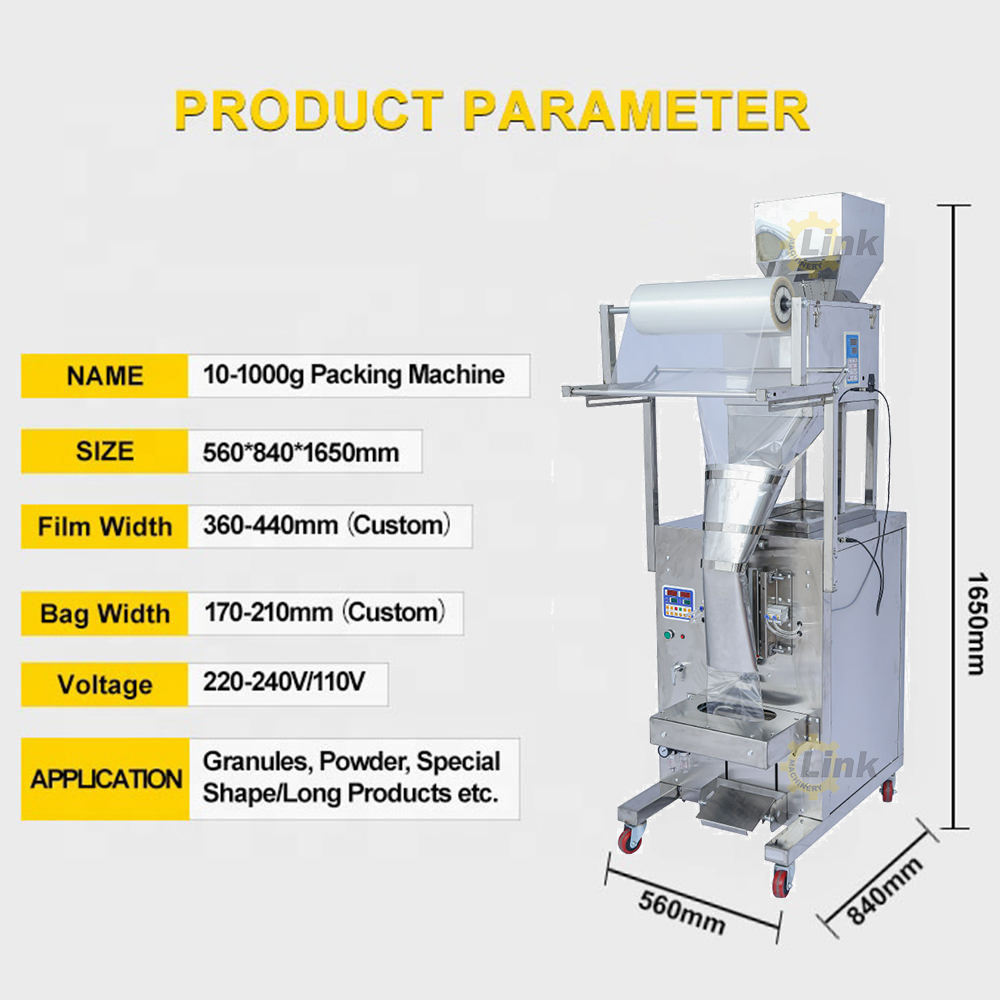
Final Recommendation for Successful Selection
Prioritize suppliers that offer customization options: If your product has unique packaging requirements, a customized machine will be more effective than a one-size-fits-all solution.
Request reference cases: Compare prices from manufacturers selling directly from the factory rather than agents. Factory-direct packaging machines are generally cheaper, as there are no markups from agents.
Pre-purchase testing: Always test the machine with your product to ensure it meets your expectations.
By avoiding these common pitfalls, you can choose a packaging machine that meets your production goals, reduces operational risks, and brings long-term value to your business.

Email : Molly@xmlk-machine.com
EMAIL us
Room 820, No. 289-7, wengjiao Road, xiamen, Fujian, China
Our Address
Tel : +86 18150150881
Whatsapp : +8618150150881
call us


 English
 français
 português
 ไทย
ไทย