Comprehensive Guide to Liquid Packaging Machines
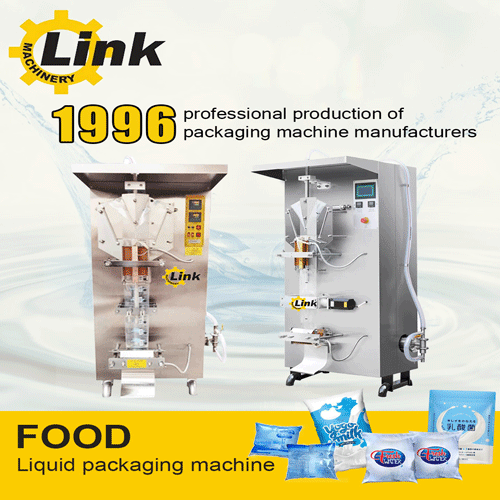
Liquid packaging machines are automated equipment specifically used to package liquid products. They are widely used in food, beverage, pharmaceutical, chemical and other industries. Their main function is to fill liquid products into packaging containers in an efficient and accurate manner, and complete subsequent operations such as sealing and cutting. The emergence of liquid packaging machines has greatly improved production efficiency, reduced labor costs, and ensured the hygiene and accuracy of the packaging process. Liquid packaging machines are usually composed of multiple automated modules, such as liquid filling systems, heating and sealing systems, and printing and labeling systems. These modules work together to ensure that each package meets the specified capacity, sealing and hygiene standards. Therefore, liquid packaging machines have become an indispensable and important equipment in large-scale production, especially in industries with high demand for liquid products and high packaging requirements. Working process of liquid packaging machines The working process of liquid packaging machines mainly includes the following steps: Material transportation and preparation The packaging process starts with the transportation of liquid materials. Liquid products usually need to be transported to the filling system of the packaging machine through pipes or pump systems. Depending on the characteristics of different products, the transportation process may involve steps such as heating, stirring or filtering to ensure the fluidity and uniformity of the liquid. Filling During the filling process, the liquid packaging machine fills the liquid into the predetermined container through precise filling equipment. Common filling methods include gravity filling, metering pump filling, piston filling, etc., and different methods are suitable for different liquid properties. The filling system ensures that the amount of liquid in each container is accurate according to the pre-set parameters. Container transmission and positioning The filled container is sent to the next link through a conveyor belt or turntable system. At this time, the container needs to be accurately positioned for subsequent operations such as sealing. Sealing and cutting Sealing is a crucial step in liquid packaging to ensure that the liquid does not leak and extend the shelf life of the product. Liquid packaging machines usually use heat sealing technology to seal packaging bags, bottle mouths, etc., and use cutting devices to cut off the excess parts between packaging bags to form a neat seal. Labeling and printing For bottled or bagged liquids, the packaging machine can also be equipped with a label attachment and inkjet printing system to add necessary labels and logos such as production date, batch number, product information, etc. to the packaging. Finished product output and stacking After filling, sealing an...


 English
 français
 português
 ไทย
ไทย