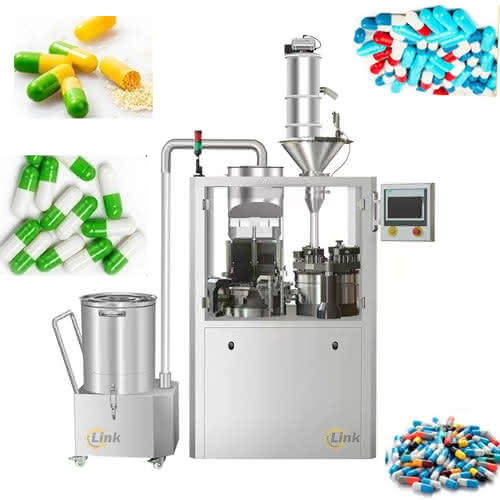
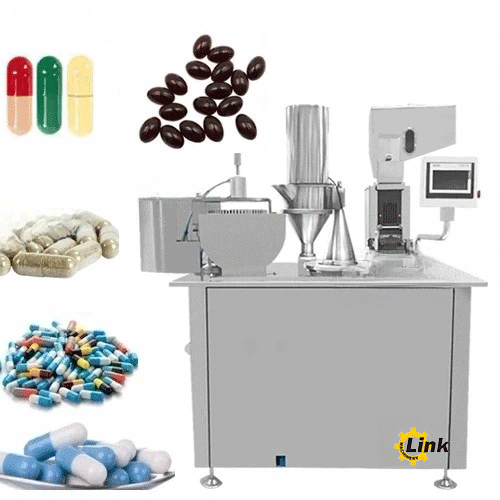
China fully automatic capsule filling machine supplier
Capsules are widely used in pharmaceuticals, health supplements, and even some functional foods, thanks to their convenience and ability to protect active ingredients. Behind every high-quality capsule, there’s a well-designed packaging and filling process supported by advanced equipment like capsule packaging machines and capsule filling machines. In this guide, we’ll answer key questions about capsule packaging and explore the role of modern equipment in streamlining the process. What is Capsule Packaging? Capsule packaging refers to the process of enclosing capsules (filled with powders, granules, or liquids) in a protective, hygienic, and user-friendly form—whether for storage, transportation, or end-use. It’s not just about wrapping capsules; it involves ensuring stability, preventing contamination, and maintaining the integrity of the contents. At the core of efficient capsule packaging is the Capsule Packaging Machine, which automates tasks like counting, sealing, and labeling capsules. When paired with Capsule Filling Machines, it creates a seamless workflow from filling empty capsules to packaging the final product, ideal for large-scale production in pharmaceuticals or nutraceuticals. How To Package Capsule? The capsule packing process combines precision and automation, especially with modern Capsule Filling Equipment. Here’s a step-by-step breakdown: Capsule Preparation: Empty capsules (either hard or soft) are loaded into a Capsule Filling Machine. For pharmaceuticals, Pharmaceutical Capsule Filling Machines are used to ensure compliance with strict hygiene standards. Filling: The machine fills the capsules with the desired substance (powders, pellets, or liquids). Automatic capsule filling machines excel here, as they handle high volumes with consistent accuracy—reducing human error. Sealing/Joining: Hard capsules are locked into place, while soft capsules are hermetically sealed to prevent leakage. Inspection: Automated systems check for defects (e.g., underfilled or damaged capsules) to maintain quality. Packaging: Filled and inspected capsules are transferred to a Capsule Packaging Machine for final packaging—often into blister packs, bottles, or sachets, depending on the product’s needs. This process is optimized by integrating Capsule Filling Machines and packaging equipment, making it efficient for manufacturers. What are the Three Types of Capsules? Capsules are categorized based on their structure and material, each requiring specific filling equipment: Hard Gelatin Capsules: The most common type, made of two halves (body and cap) that lock together. They’re ideal for powders and granules, and are often filled using Pharmaceutical Capsule Filling Machines in drug production. Soft Gelatin Capsules: Flexible and sealed, they hold liquids, oils, or semi-solids (e.g., fish oil supplements). Fil...




 English
 français
 português
 ไทย
ไทย