If you’re in the food, snack, or manufacturing industry—whether you’re a packing machine importer, a small brand owner, or a large plant manager—understanding how packaging machines work is key to choosing the right equipment for your needs. Packaging machines streamline the process of preparing products for sale, from packaging food to personal care items, and their functionality varies based on the machine type and intended use. As an award-winning manufacturer of packaging machine and trusted food packing machine in china, LINK Factory has helped countless businesses (including packing machine for snack suppliers and auto chub packing machine suppliers clients) navigate the world of packaging equipment. In this guide, we’ll break down the core working principles of common packaging machines, weave in essential details about our specialized models, and highlight how options like pick and place packing machine or packing date marking machine fit into the packaging workflow.
The Core Working Principle of All Packaging Machines
At their heart, all packaging machines follow a similar core workflow: preparing the packaging material, feeding the product into the packaging, sealing the package, and (in many cases) adding finishing touches like labeling or date marking. The difference lies in how each step is executed—manual, semi-automatic, or fully automatic—and the specialized features added to handle specific products (e.g., fragile snacks, thick pastes, or liquid goods). Whether you’re looking at packaging machines for snacks manufacturers or equipment for takeaway food packaging, this core process remains consistent, though optimized for the product’s unique needs.
1. Particle Packaging Machine: For Solid Granules Like Tea, Snacks, and Grains
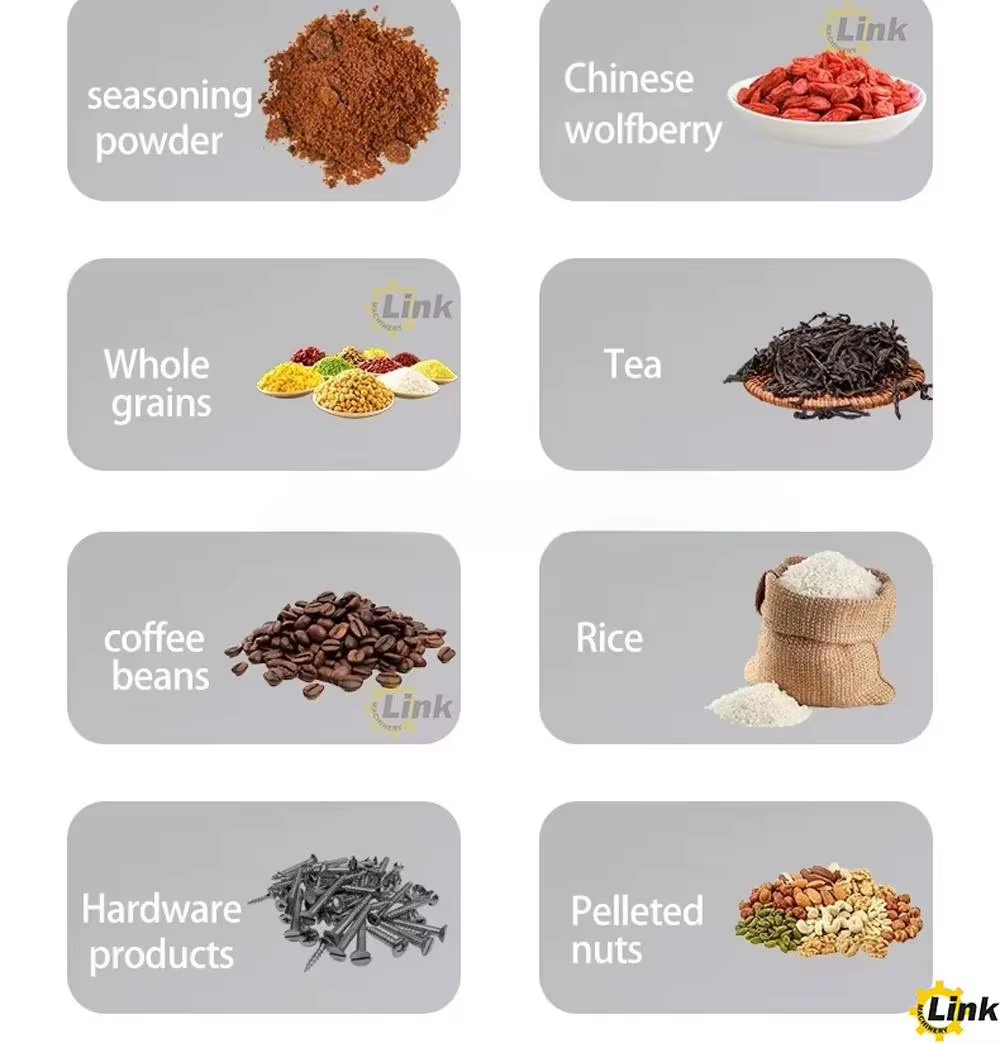
Particle packaging machine handles solid, granular products—from fine tea leaves to large snack pieces. Their working principle prioritizes gentle handling (to avoid breaking fragile products) and accurate portioning. Here’s a detailed breakdown:
First, the packaging material (usually pouches or sachets) is formed by the machine from a roll of film. For fragile products like tea, the machine uses a gentle feeding system to move the particles into a weighing or measuring device—this ensures precise portioning (a key concern for packaging machines for snacks manufacturers and tea producers). Common measuring systems include auger filling for fine particles (like powdered snacks), cup filling for medium granules (like cereal), and pick and place packing machine technology for irregularly shaped particles (like potato chips or nuts).
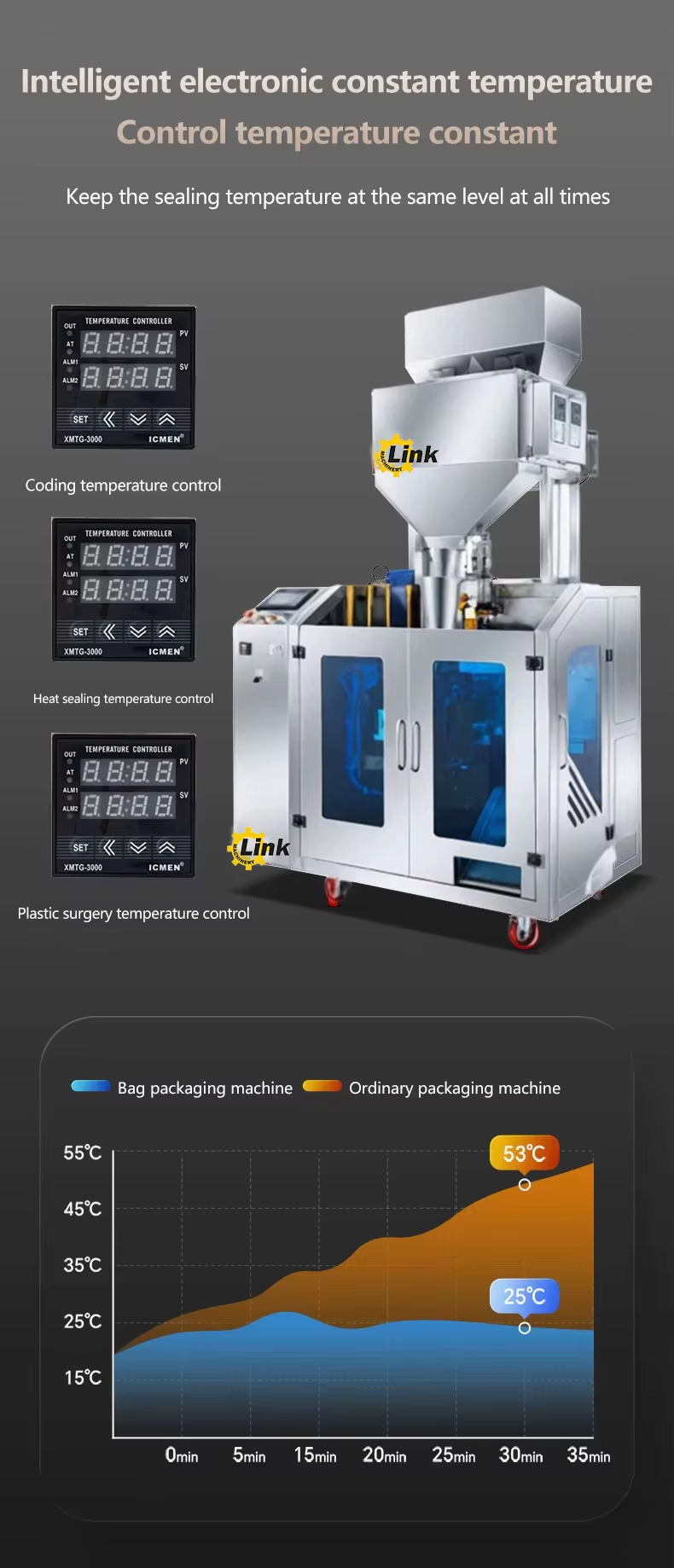
After measuring, the particles are dropped into the formed packaging. The machine then seals the packaging using heat sealing, and a packing date marking machine adds necessary product information. For takeaway food packaging (like snack sachets), these machines can be semi-automatic (for small takeaway shops) or fully automatic (for large snack brands). Some models also include nitrogen flushing to keep snacks fresh by removing oxygen from the packaging.
2. Liquid Packaging Machine: For Fluids Like Water, Juice, and Edible Oil
Liquid packaging machine is designed to handle fluid products, which require precise filling to avoid spillage and waste. Here’s a typical step-by-step workflow for most liquid packaging machines:
First, the packaging material (like plastic bottles, pouches, or cartons) is fed into the machine—either pre-formed or formed on-site from a roll of film. Next, the machine cleans and sterilizes the packaging (critical for packaging food liquids like juice or edible oil to meet hygiene standards). Then, the liquid product is pumped into the packaging using a specialized filling system: gravity filling for low-viscosity liquids (like water), piston filling for thicker liquids (like syrup), or vacuum filling to prevent foaming (like carbonated drinks).
After filling, the machine seals the packaging—using heat sealing for plastic pouches, capping for bottles, or folding and gluing for cartons. Many Liquid packaging machine models (especially those for food) also integrate a packing date marking machine as the final step, which prints production dates, expiration dates, or batch codes on the package. For large-scale operations, these machines can be fully automatic, working seamlessly with other production line equipment to handle hundreds of units per minute.
3. Paste Packaging Machine: For Thick Products Like Sauce, Toothpaste, and Peanut Butter
Paste packaging machine is built to handle thick, semi-fluid products that can’t be pumped like liquids. Their working principle focuses on gentle, consistent filling to avoid product waste and ensure uniform packaging. Here’s how they work:
First, the packaging material (pouches, tubes, or jars) is loaded into the machine. For tube-based products (like toothpaste), the machine forms the tubes from a roll of aluminum or plastic film. Next, the paste product is fed into a hopper, which feeds it into a piston or screw filling system—this is the key component that pushes the thick paste into the packaging without clogging. The filling volume is precisely controlled to ensure each package has the same amount of product.
Once filled, the machine seals the packaging: heat sealing for pouches, crimping for tubes, or capping for jars. For food pastes (like chili sauce or peanut butter), the machine may also include a sterilization step to extend shelf life. Many Paste packaging machine models used by packing machine for snack suppliers (for peanut butter snacks) or food manufacturers also come with a packing date marking machine to comply with food safety regulations. Semi-automatic models are popular for small businesses, while fully automatic ones are used for high-volume production.
Why Choose LINK Factory for Your Packaging Machine Needs?
As an award-winning manufacturer of packaging machine, we don’t just sell equipment—we design solutions that fit your unique workflow. Whether you’re a packing machine for snack suppliers needing a pick and place packing machine, an auto chub packing machine suppliers client requiring industrial-grade bulk packaging, or a business in need of takeaway food packaging equipment, our machines are built for reliability and customization. We also stand out as packing machine price suppliers with transparent pricing and full after-sales support—from installation and training to spare parts and maintenance. Our clients trust us because we understand how packaging machines work in real-world settings, and we tailor our equipment to help you save time, reduce waste, and scale your business.
Final Thoughts for Businesses and Importers
Understanding how packaging machines work is the first step to choosing the right equipment for your needs. Whether you’re focused on packaging food, snacks, or takeaway items, the key is to select a machine that’s tailored to your product, volume, and budget. As a leading food packing machine in china and packing machine importer partner, LINK Factory is here to help. Contact us today to learn more about our pick and place packing machine, auto chub packaging machines, packing date marking machine, and other solutions—and let’s find the perfect packaging machine for your business.



 English
 français
 português
 ไทย
ไทย