
As a manager or production supervisor of a food factory, daily chemical plant, agricultural product processing plant, or hardware store, have you ever been troubled by various problems with packaging machinery? When planning to purchase suitable machines, are you worried about exceeding your budget, incompatible models, and frequent breakdowns after purchase? For users already using packaging machinery, common problems such as poor sealing, inaccurate filling, frequent downtime, and troublesome maintenance not only waste materials and labor but also delay order delivery.
The market offers a wide variety of packaging machinery, including fully automatic, semi-automatic, vertical, pillow-type, and pre-made bag packaging machines, with prices ranging from several thousand dollars to hundreds of thousands of dollars. Many users make blind choices: either spending a lot of money on high-end features they don't need, or buying cheap, low-quality machines with frequent breakdowns, ultimately leading to higher hidden costs.
This article is written entirely from the perspective of real user needs, sorting out the core concerns of buyers and users. We cover everything from early model selection and mid-term operation to later maintenance and after-sales protection, with no routines but only practical experience. This guide will help you choose the right machine, use it properly, maximize packaging efficiency, and minimize operating costs.
Which Packaging Machine Should I Choose?
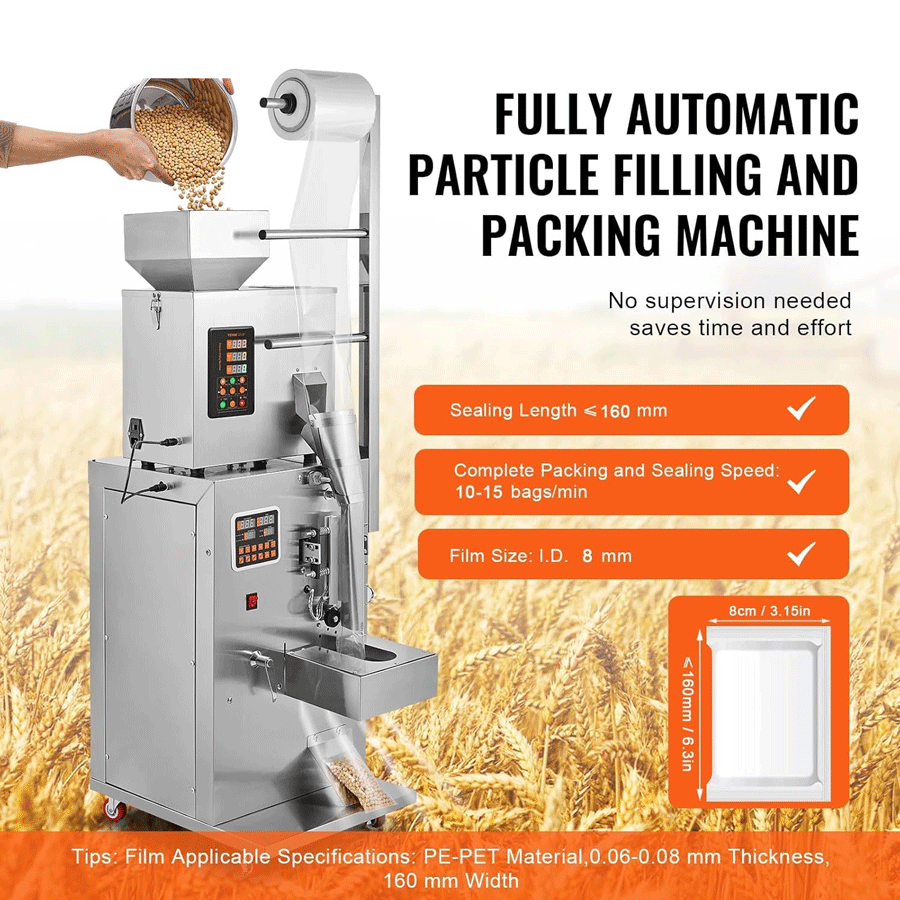
Many users immediately ask "How much is a packaging machine?" but ignore the most critical factor: matching your own production needs. This is the first pitfall for 90% of buyers. A packaging machine is not better if it is more expensive, nor more cost-effective if it is cheaper. It must fit your product type, output, workshop space and budget.
(1)Choose the Basic Model Based on Product Type
Granular Products (nuts, snacks, grains, fertilizer, hardware granules): Prioritize vertical granule packaging machines, with precise filling, suitable for back-sealed and three-side-sealed bags, and high cost performance;
Powder Products (flour, seasoning powder, milk powder, chemical powder): Choose vertical powder packaging machines, equipped with dust-proof and anti-caking designs to prevent dust overflow and feeding blockages;
Liquid & Paste Products (sauce, beverages, detergent, ointment): Select special liquid packaging machines with anti-dripping and anti-wiring functions, ensuring tight and leak-proof sealing;
Solid Blocks & Irregular Items (bread, biscuits, hardware parts, daily necessities): Pillow packaging machines or pre-made bag packaging machines are ideal, with neat packaging and compatibility with multiple sizes;
Large-Size & Carton Packaging: Choose case sealers and heat shrink packaging machines, perfect for bulk large-item packaging.
(2) Determine Automation Level Based on Daily Output
Small workshops / startups with daily output below 500 pieces: Opt for semi-automatic packaging machines, low-priced, easy to operate, space-saving, labor-assisted, and extremely low maintenance costs;
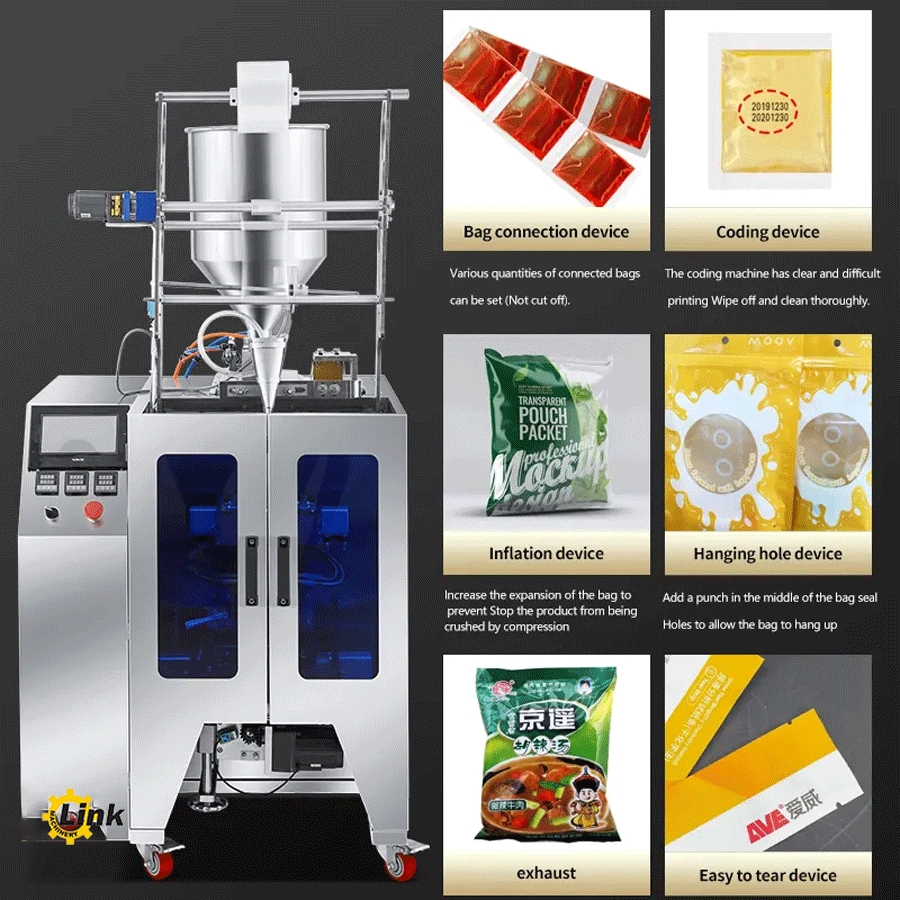
Small and medium-sized factories with daily output of 1,000-5,000 pieces: Select basic automatic packaging machines with PLC touch screen control, one-key operation, labor-saving, stable speed and low failure rate;
Large factories / mass production with daily output over 5,000 pieces: Pick high-end automatic packaging machines or complete production lines, supporting quick format change and multi-specification compatibility, connectable to front-end production for unmanned packaging.
How to Fix Common Packaging Machine Faults Quickly?
Packaging machines inevitably experience minor malfunctions after prolonged use. Many users immediately stop the machine and wait for after-sales service, which delays production and increases costs. In reality, most common malfunctions are caused by improper operation or aging of small parts, and can be resolved in minutes with simple troubleshooting methods.
(1)Poor Sealing, Leakage, and Wrinkling
This is the most common problem, mainly caused by insufficient heat sealing temperature, aging sealing strips, residual material at the bag opening, or uneven pressure. Solution: First, clean the debris at the sealing area. Adjust the temperature according to the packaging film material (130-180℃ for composite films). Replace worn heating and pressure strips, and fine-tune the sealing pressure.
(2)Inaccurate Filling and Large Weight Deviation
This is a common problem with granule and powder packaging machines, usually caused by clogged hoppers, poor material flow, uncalibrated weighing sensors, or incorrect vibration frequency. Solution: Clean the feed inlet and hopper, recalibrate the weighing system, adjust the vibrator parameters, and dry any damp or clumped material before packaging.
(3) Inability to Open Packaging Bags and Frequent Bag Drops
Frequent malfunctions of pre-made bag packaging machines are often caused by worn suction cups, insufficient suction, low air pressure, or stuck packaging bags. Solutions: Replace worn suction cups, check the air source pressure (standard 0.6-0.8MPa), use anti-static packaging bags, and adjust the position of the bag opening mechanism.
(4) Frequent Alarms and Automatic Shutdowns
These are often caused by loose safety doors, sensor malfunctions, false alarms due to no material or no packaging bags, or poor circuit contact. Solutions: Check the safety interlock device, calibrate the sensors, clean the dust inside the electrical control box, and ensure sufficient material and packaging bags.
Automatic vs Semi-Automatic, Is Multi-Specification Format Change Troublesome?
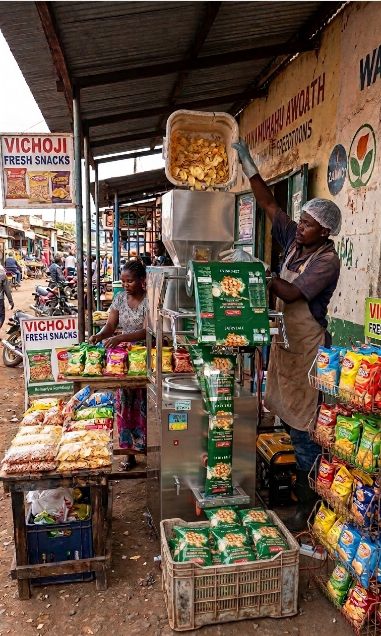
Many users have multiple products and packaging specifications, worrying that one machine can only handle one specification, with complicated and time-consuming format changes. Nowadays, mainstream automatic packaging machines support quick format change. Adjust parameters via the touch screen and replace a few molds, and the switch between different sizes and bag types can be completed in 10-30 minutes without machine modification, which is very suitable for users with multi-category production.
If you have a wide range of product specifications, we recommend flexible packaging machines with modular design, stronger compatibility, and no need to replace the machine even when upgrading the product line, avoiding equipment idling.
3 Core Rules for Choosing a Packaging Machine
Whether you are a first-time buyer or a regular user replacing equipment, remember these 3 core rules to avoid all pitfalls:
1. Match Your Needs: Fit your product type, output and budget, do not blindly pursue high configuration, and do not chase cheap low-quality machines;
2. Stable and Durable: Choose branded core components, solid workmanship, and stable continuous operation;
3. Reliable After-Sales: Complete warranty, maintenance and training system to eliminate future worries.
A packaging machine is core equipment in the production line. Choosing the right one can greatly save labor, improve efficiency and reduce waste. Choosing the wrong one turns it into useless equipment that hinders business. We hope this complete guide solves all your doubts about packaging machines and helps you manage the packaging process easily.

Email : Molly@xmlk-machine.com
EMAIL us
Room 820, No. 289-7, wengjiao Road, xiamen, Fujian, China
Our Address
Tel : +86 18150150881
Whatsapp : +8618150150881
call us


 English
 français
 português
 ไทย
ไทย